Advanced Simulation Enhances Magnetic Separator Design
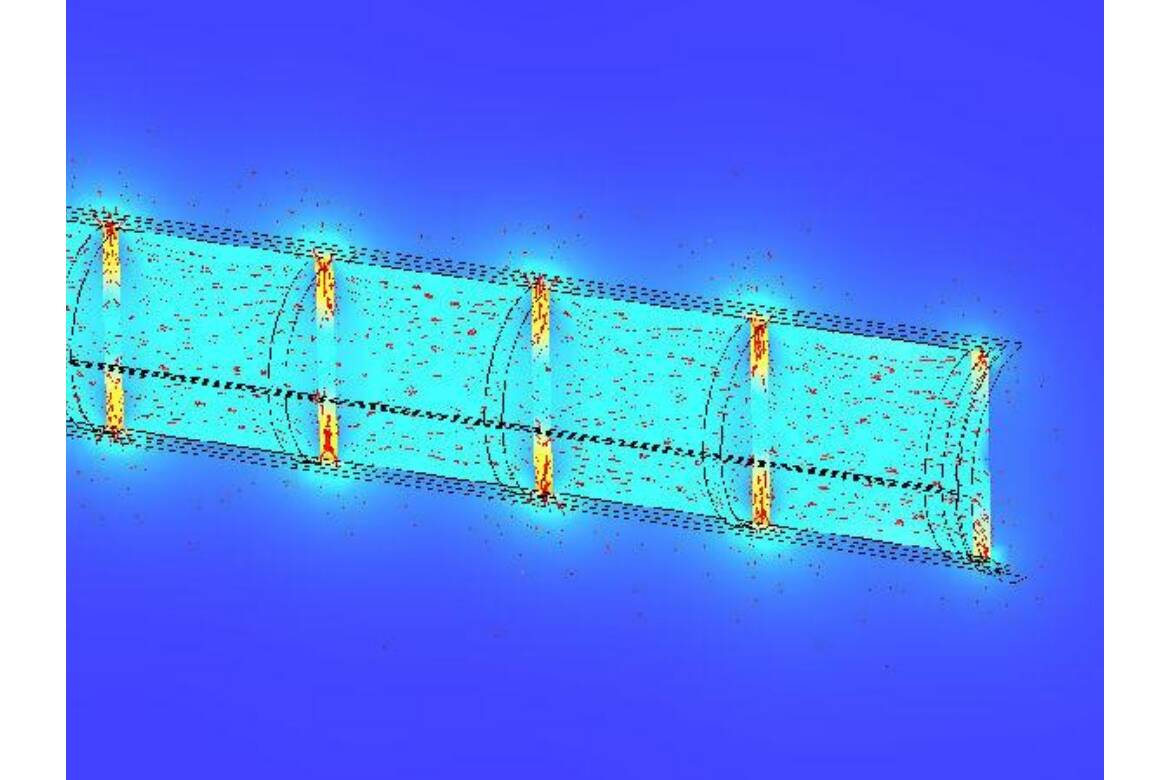
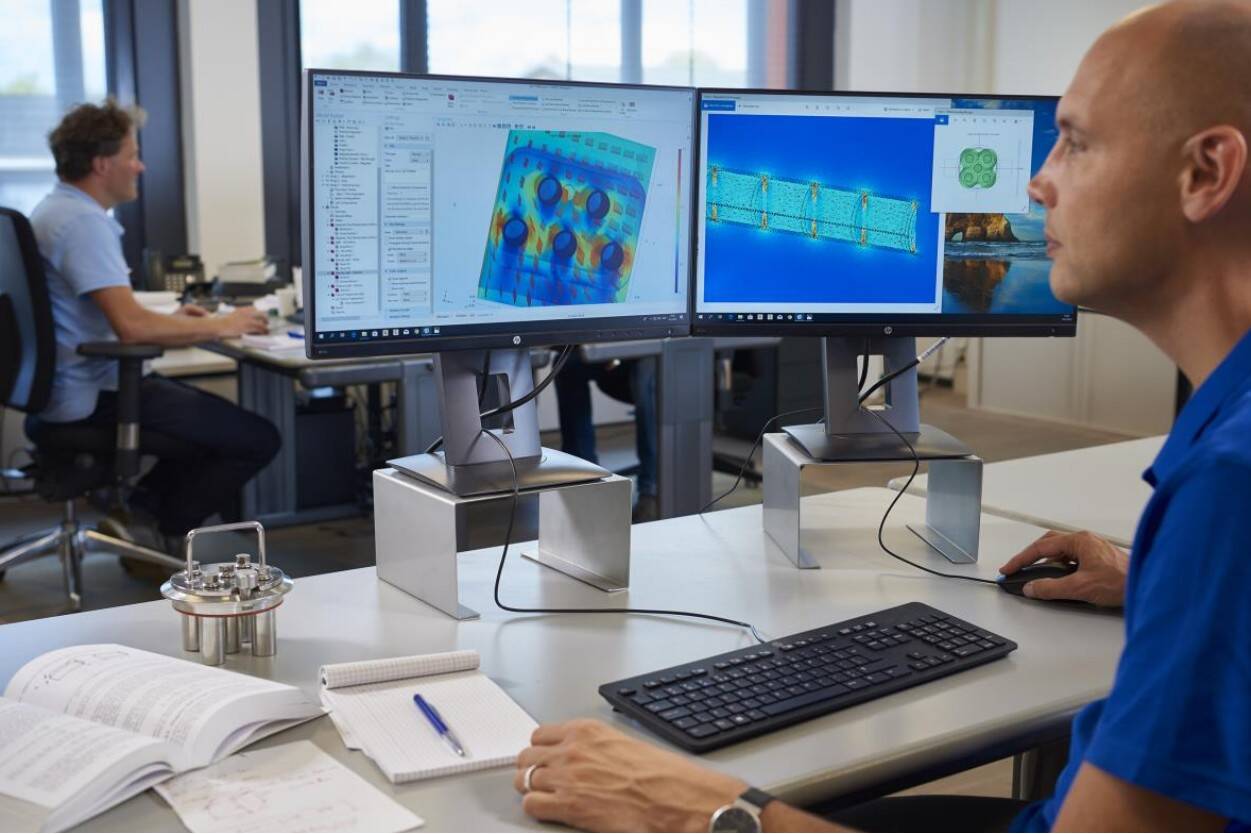
Goudsmit Magnetics utilizes Finite-Element Modelling (FEM) to analyze and optimize its magnetic systems. This numerical method divides complex physical systems into small elements to solve fundamental physics equations, allowing for highly accurate performance predictions. By simulating systems digitally, the company significantly reduces the time and costs associated with physical prototype design and testing.
Multiphysics Integration for Improved Process Flow
A critical advantage of the FEM approach is the ability to combine different physical domains, specifically electromagnetics and fluid dynamics. For the bulk solids and food industries, this means evaluating how product flow characteristics, such as velocity and viscosity, impact the efficiency of magnetic separators. This integrated modelling ensures that separators are designed not just for magnetic strength, but for practical effectiveness within a moving product stream.
The application of FEM extends across several key areas of the bulk handling and recycling sectors:
Optimizing Performance in Diverse Industrial Applications
- Metal separation for food safety and equipment protection.
- Waste recycling using eddy-current forces for non-ferrous metals.
- Magnetic handling and robotic grippers for automated manufacturing.
- Demagnetization processes for pipelines and industrial components.
Scientific Precision in Capturing Fine Metallic Particles
The modelling process allows engineers to determine the ”force index,” a product of magnetic flux density and its gradient, which is the true driver of particle capture. By tracing the paths of specific particles—such as low carbon steel or stainless steel—through a simulated separator, Goudsmit can calculate precise separation efficiencies. These calculations are validated against physical measurements to ensure reliability in real-world industrial environments.