
|
Product news |
Published: 22-07-2025 Print date: 03.10.2026 |
|
|
Product news |
Published: 22-07-2025 Print date: 03.10.2026 |
Customized bucket elevator design: Why material testing is essentialIn vertical conveying applications, the success of a bucket elevator does not begin with selecting the bucket type or motor power—it starts with a thorough understanding of the product to be lifted.
Every bulk material reacts differently during transport, especially when elevated, and overlooking its specific behavior can lead to premature wear, product degradation, or operational failures.
Product characterizationProduct characterization: The foundation of reliable vertical transport. When dealing with fragile, abrasive, greasy, or high-temperature materials, a generic elevator design often proves insufficient. Each material must be assessed for its physical properties to determine the optimal configuration for buckets, belts, and structural elements.Key parameters to analyze
Laboratory tests and pilot trialsLaboratory tests and pilot trials: A prerequisite for precision. At Sinfimasa, every elevator project begins with rigorous testing. Laboratory analyses and full-scale pilot runs are carried out to simulate real conditions and detect potential issues early. Typical tests include:
The right bucket elevator for each product Vertical transport poses unique challenges, and only a tailored design ensures consistent performance and product integrity. Critical design variables are:
Options and choices
Unmatched advantagesThe strategic value of a customized designed bucket elevator based on actual product data and bulk solid behavior, delivers unmatched advantages, such as:
ConclusionAt Sinfimasa, we believe precision begins with the product. By testing material behavior before design, we ensure that every bucket elevator we manufacture is tailored to elevate your product efficiently, safely, and with maximum reliability.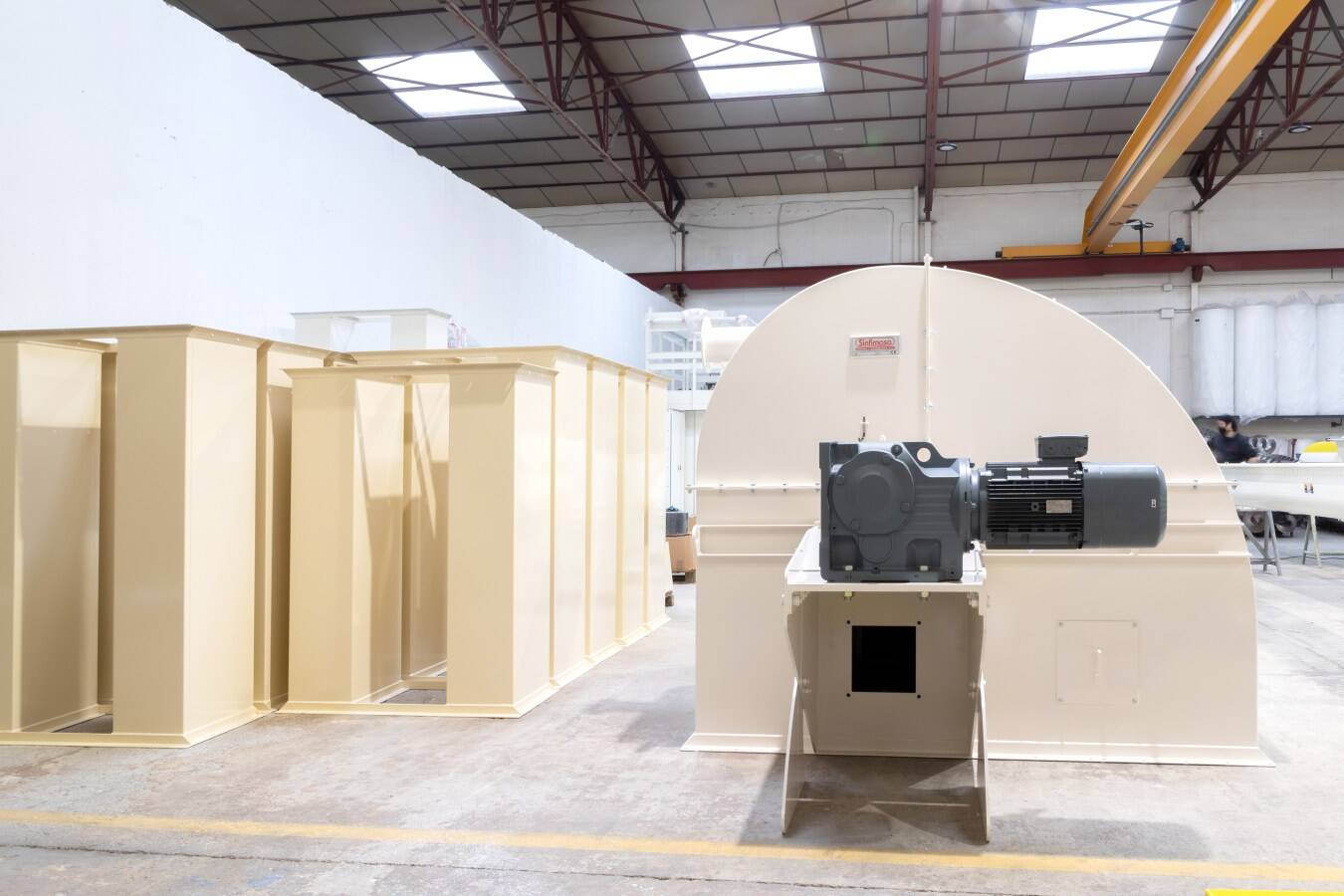
More information
Robust Custom Bucket Elevators for Every Project: https://sinfimasa.com/en/products/bucket-elevators/ |