
|
Product news |
Published: 28-07-2026 Print date: 19.09.2026 |
|
|
Product news |
Published: 28-07-2026 Print date: 19.09.2026 |
3D Radar Solves Bulk Material Inventory Errors in Factory Yards3D radar replaces flawed manual yard inventory with precise, real-time volume data, overcoming dust and irregular piles to boost accuracy and efficiency.
In 2026, manufacturing profits face tightening pressures from volatile raw material costs, rising labor expenses, and stricter safety rules. Today, saving operational overhead is the most direct way to protect industrial earnings. Unfortunately, the most common area for hidden losses is often out of sight: bulk material warehouses storing coal, mineral powder, cement, or grain. While these materials move in and out daily, tracking true stock levels remains a constant challenge. Traditional manual inventory checks are slow and highly inaccurate, leaving managers with unreliable data.
What Causes Bulk Material Inventory Errors in Factory Yards?Accurate stock tracking inside large containment structures requires balancing several volatile physical conditions:
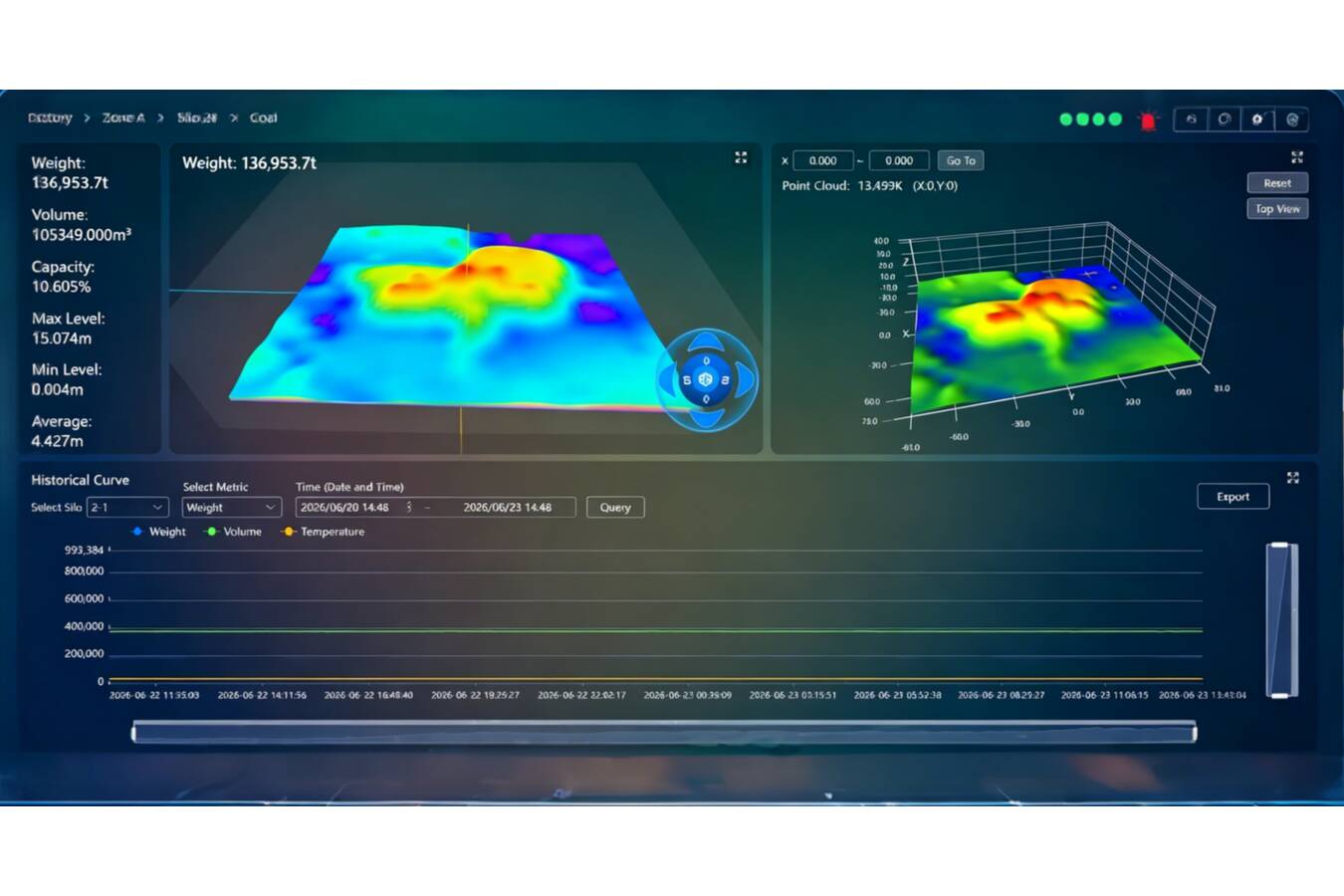
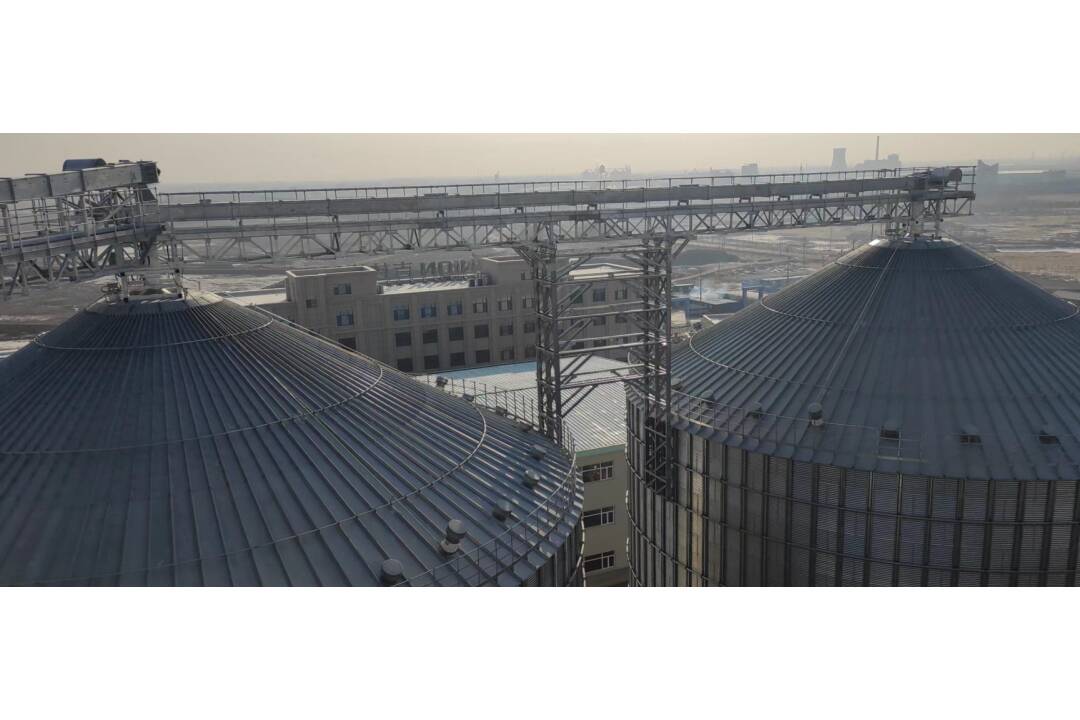
Case Study 1: Multi-Sensor 3D Radar Networks in Coal YardsAt a large-scale mining facility, an expansive indoor coal yard with irregular, scattered material piles faced severe tracking issues. Because a single scanning unit could not achieve complete coverage across the sprawling floor layout, the engineering team deployed a multi-sensor network using two RETTAR 3DPro2300 Radar Scanners at opposite ends of the structure.Operating simultaneously, each non-contact scanner automatically executes a horizontal and vertical rotation to map thousands of points across the moving material surface. The internal system automatically stitches these data streams together to build a Real-Time 3D model of the pile contours. Instead of spending days sending teams to manually survey the yard, operators now view precise bulk volume metrics in just a few minutes from a central control room. This live data integrates directly with the plant’s production scheduling system to support accurate material blending and procurement planning. Case Study 2: Mitigating Silo Blockage Hazards in Grain StorageA similar data gap was addressed at a high-capacity agricultural processing plant handling large corn silos. Traditional method frequently caused significant inventory variances due to the uneven material drawdowns and steep funnel shapes formed during rapid discharging cycles.To resolve this, a single 3D scanning unit was mounted at the top center of each deep concrete silo, covering the entire cross-section of the bin. Smart built-in algorithms automatically identify and remove false echo signals caused by internal structural columns or wall accumulation, leaving only true material metrics. This continuous surface mapping allows the facility’s logistics team to monitor asymmetric material movement on their screens, helping onsite crews manage loading sequences early enough to lower the risk of a sudden silo blockage. Key Benefits of 3D Volumetric Scanning for Industrial InventoriesTransitioning from old estimation methods to automated 3D volume networks delivers dependable operational benefits across the whole enterprise:
More information
RETTAR 3DPro2300 Radar Scanners: https://www.bulksolids.tech/solutions/mining-coal-solutions/?utm_source=bulksolids&utm_medium=news&utm_campaign=3DRadarSolvesBulkMaterialInventoryErrorsinFactoryYards |