Modernizing a packaging process does not always require a completely new system. When existing machinery is technically sound, it can be more economical and sustainable to automate selected process steps and adapt the equipment to changing production requirements.
This was the approach taken by additive manufacturer Münzing together with GREIF-VELOX. An existing manually operated BVP packer was expanded with additional components to create a largely automated packaging line.
Targeted Upgrade of the Existing BVP Packer
The starting point of the project was an existing BVP packer used for filling wax products with additives into bags. Instead of replacing the machine entirely, the project team assessed how the packaging process could be automated through a targeted retrofit.
The system was equipped with an S1 automatic bag placer and a bag conveyor line. The bag placer automatically feeds the empty bags and positions them on the filling spout. After filling, the bags are transferred to the downstream process steps via the conveyor system.
The upgraded machine was also integrated into the existing production environment. Existing equipment for further conveying, palletizing and carton packaging can therefore continue to be used.
- Bags per Hour at a Bag Weight of 20 Kilograms
The packaging line achieves an output of 60 bags per hour, with each bag weighing 20 kilograms. The system is used to process wax products containing additives.
Explosion protection was one of the key technical requirements. Some of the products have a particularly low minimum ignition energy of less than one millijoule. The system was therefore designed in a suitable ATEX-compliant version.
In addition to the required packaging output, the project focused on process safety and reliable integration into the existing production environment. The new components had to be coordinated with the existing system both mechanically and in terms of control technology.
Higher Automation and Improved Ergonomics
The automatic bag feeding system significantly reduces a previously manual process step. This lowers the physical strain on operators and supports a more consistent packaging process.
At the same time, the level of automation is increased without requiring Münzing to replace the existing packaging equipment. The BVP packer remains a central component of the line and is extended through carefully selected automation modules.
The project demonstrates how existing packaging machines can be adapted to new requirements through a combination of retrofit measures, automatic bag handling and conveyor technology.
An Economical Alternative to a Completely New System
Especially when investment budgets are limited, upgrading existing machinery can be an economically attractive alternative to purchasing a completely new packaging line. The existing equipment must, however, be in a suitable technical condition and allow the required components to be integrated effectively.
A retrofit may include automatic bag placers, additional conveyor systems, new control components, updated safety technology or connections to higher-level production systems.
Under the right conditions, operators can extend the service life of existing machines, reduce manual work and improve the performance of their packaging processes. Resources are also conserved because major parts of the existing system remain in operation.
Successful Factory Acceptance Test
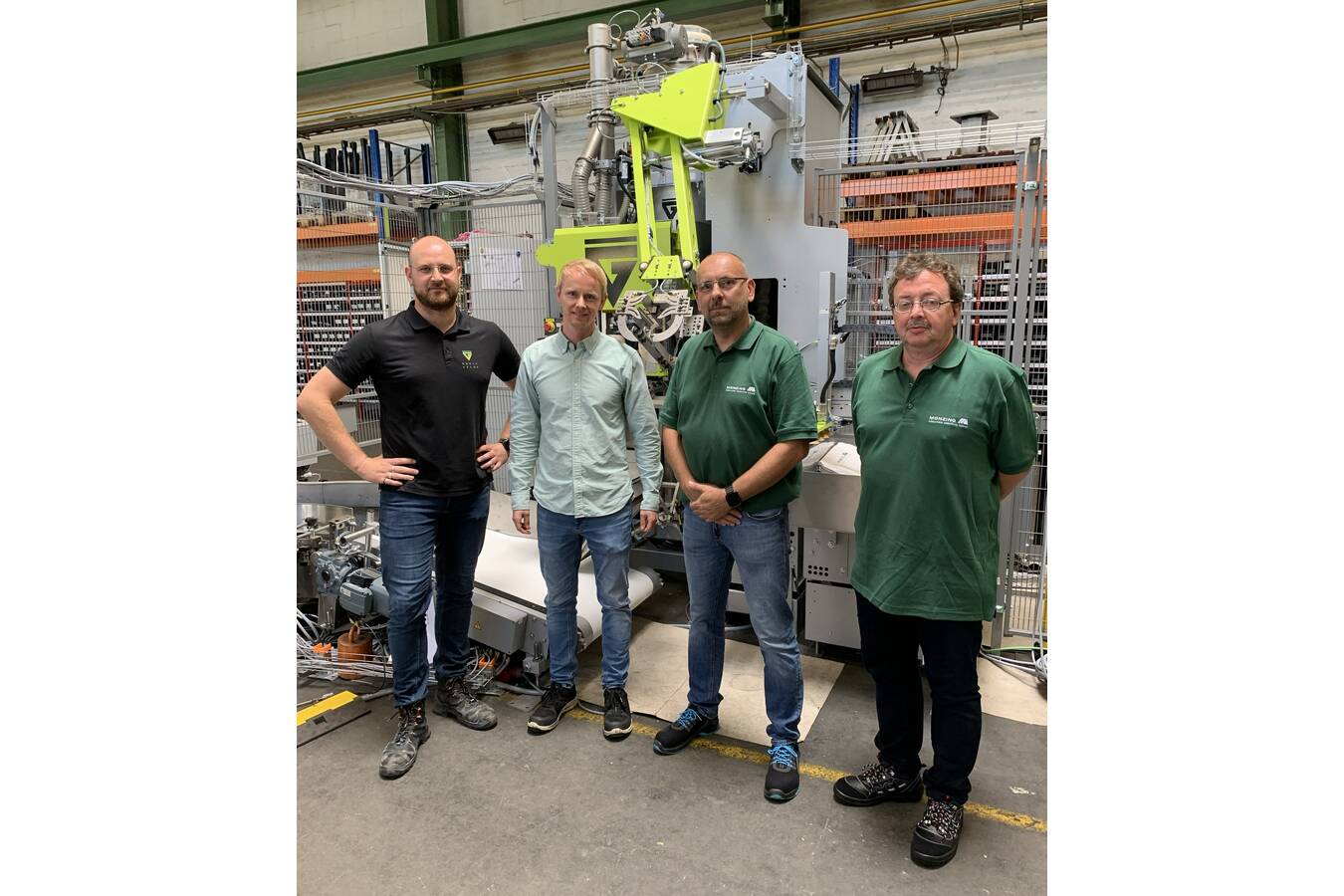
Before delivery, the upgraded packaging solution was thoroughly tested during a Factory Acceptance Test. The test focused on the functions of the individual components and their interaction within the automated packaging line.
The successful FAT confirmed the required packaging output, the automatic bag handling process and the implementation of the specified safety requirements.
The joint project between Münzing and GREIF-VELOX shows that a completely new packaging system is not always necessary. With a targeted retrofit, proven equipment can be brought to a higher level of performance and automation while remaining in productive use for the long term.