Supplier sign in
Home
STAY INFORMED
Subscribe to our monthly newsletter.
Your email address will never be disclosed to any third party.
Read our privacy notice.


Product news
24.02.2026  |  12x
Share this item

Goudsmit Magnetics Leverages FEM to Optimize Bulk Solid Separation

Goudsmit Magnetics utilizes Finite-Element Modelling (FEM) to improve the design and performance of magnetic systems, reducing development costs and enhancing separation efficiency for the bulk solids industry.

Advanced Simulation Enhances Magnetic Separator Design

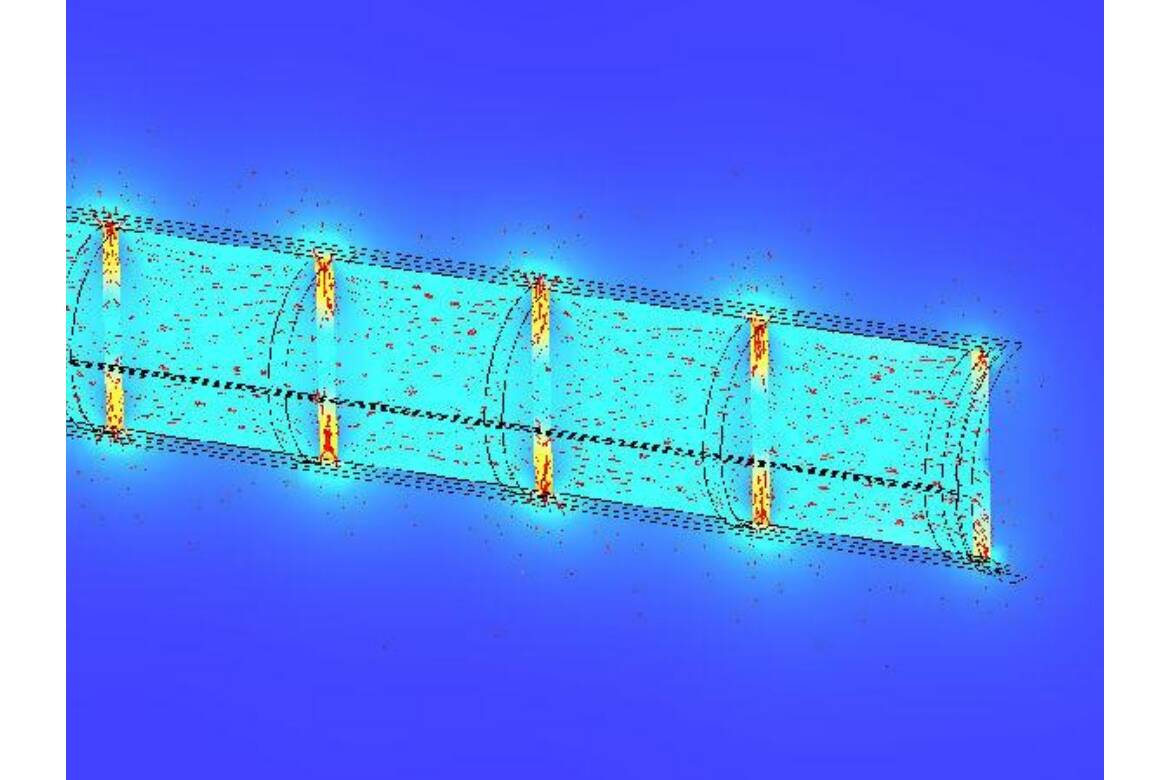
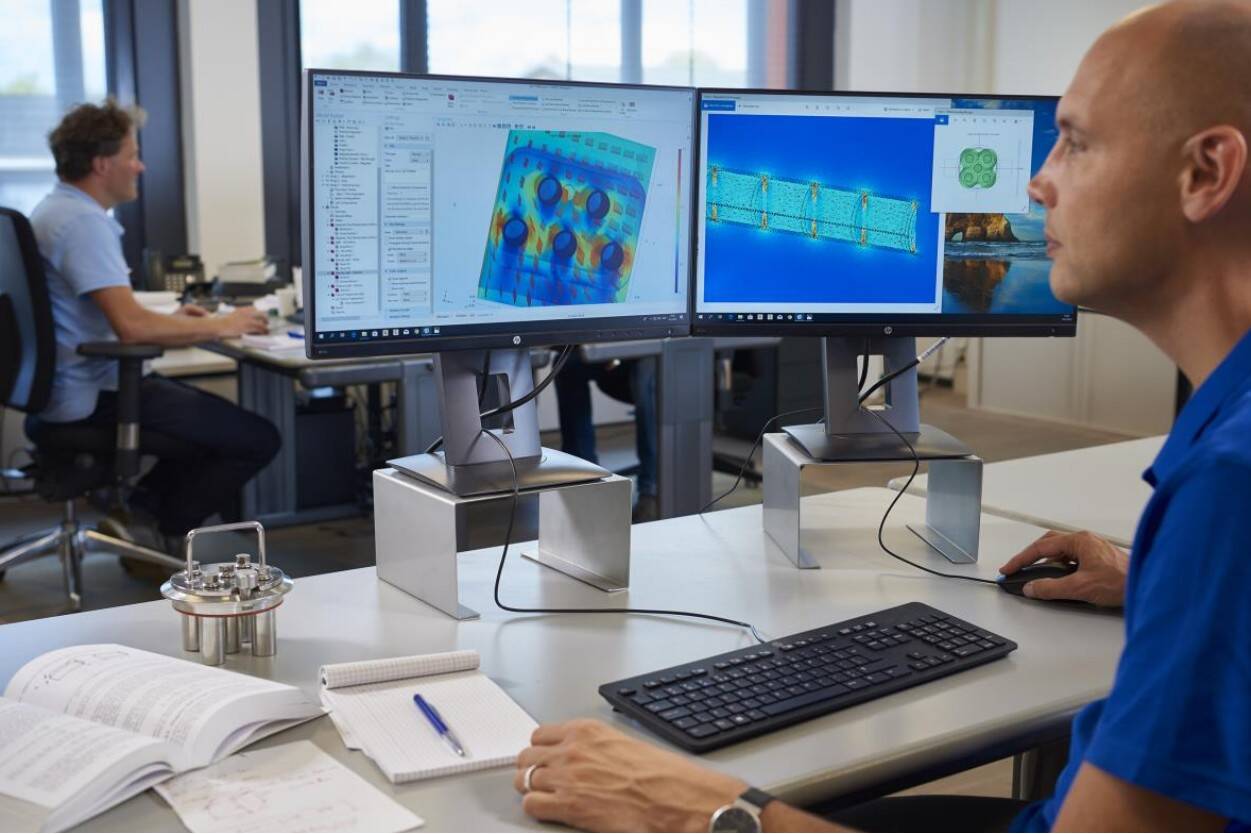
Goudsmit Magnetics utilizes Finite-Element Modelling (FEM) to analyze and optimize its magnetic systems. This numerical method divides complex physical systems into small elements to solve fundamental physics equations, allowing for highly accurate performance predictions. By simulating systems digitally, the company significantly reduces the time and costs associated with physical prototype design and testing.

Multiphysics Integration for Improved Process Flow

A critical advantage of the FEM approach is the ability to combine different physical domains, specifically electromagnetics and fluid dynamics. For the bulk solids and food industries, this means evaluating how product flow characteristics, such as velocity and viscosity, impact the efficiency of magnetic separators. This integrated modelling ensures that separators are designed not just for magnetic strength, but for practical effectiveness within a moving product stream.
The application of FEM extends across several key areas of the bulk handling and recycling sectors:

Optimizing Performance in Diverse Industrial Applications

  • Metal separation for food safety and equipment protection.
  • Waste recycling using eddy-current forces for non-ferrous metals.
  • Magnetic handling and robotic grippers for automated manufacturing.
  • Demagnetization processes for pipelines and industrial components.

Scientific Precision in Capturing Fine Metallic Particles

The modelling process allows engineers to determine the ”force index,” a product of magnetic flux density and its gradient, which is the true driver of particle capture. By tracing the paths of specific particles—such as low carbon steel or stainless steel—through a simulated separator, Goudsmit can calculate precise separation efficiencies. These calculations are validated against physical measurements to ensure reliability in real-world industrial environments.


Company information

Related articles

More items

Compact 12,000 gauss stainless steel pipe magnet separator by Goudsmit Goudsmit Magnetics (Waalre, Netherlands) has developed a new pipe magnet that requires half the installation height of its predecessor and is also twice as strong.
Compact 12,000 gauss stainless steel pipe magnet separator by Goudsmit
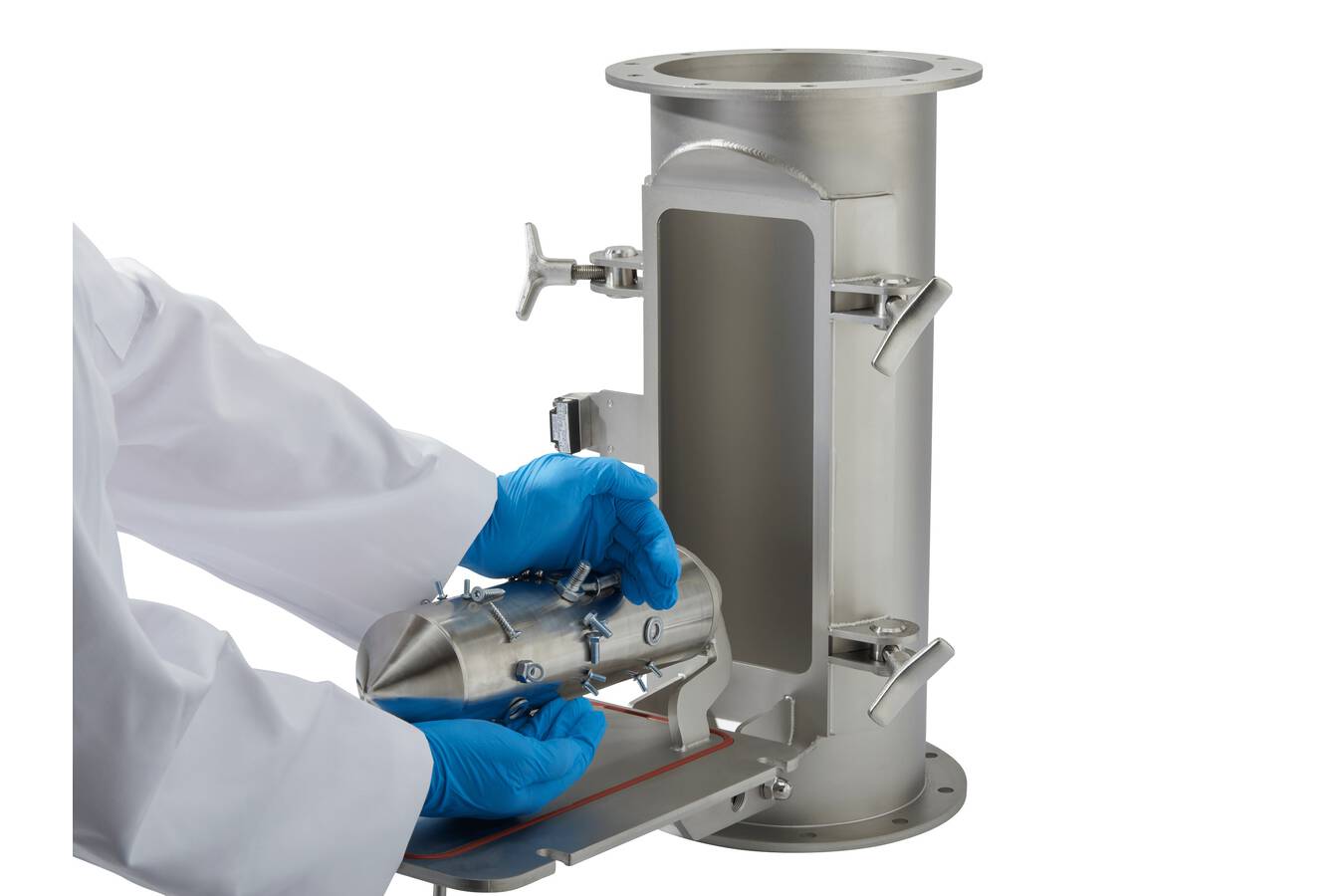
Goudsmit Magnetics (Waalre, Netherlands) has developed a new pipe magnet that requires half the installation height of its predecessor and is also twice as strong. Manufactured entirely from stainless steel, the magnetic separator contains a core of neodymium (NdFeB) magnets and creates a flux density of 12,000 gauss. The conical-shaped magnet core contains more pole plates, so even 30 µm particles stick to more engagement points. This results in a higher degree of separation and also makes it possible to capture smaller metal particles in addition to coarse ones. Steel particles present in the product flow such as bolts, nuts, washers, screws, small metal balls, broken threads and clips can be effortlessly separated from grains, corn, flour, wheat flour and other incoming goods flows. The new magnet system is suitable not only for mounting in free-fall pipes, but also for pressure pipes. The stainless steel bullet magnet can be used in food but also other industries. Low installation height & compact design The 12,000 gauss pipe magnet was developed in response to specific market demands. The first requirement was to
08.01.2024  |  1590x  |  Press release  | 
Modular overband magnet for mobile recycling systems Goudsmit  has recently developed a range of mobile overband magnets. The modularly designed magnets remove iron particles from underlying material streams and are intended for mobile recycling systems.
Modular overband magnet for mobile recycling systems
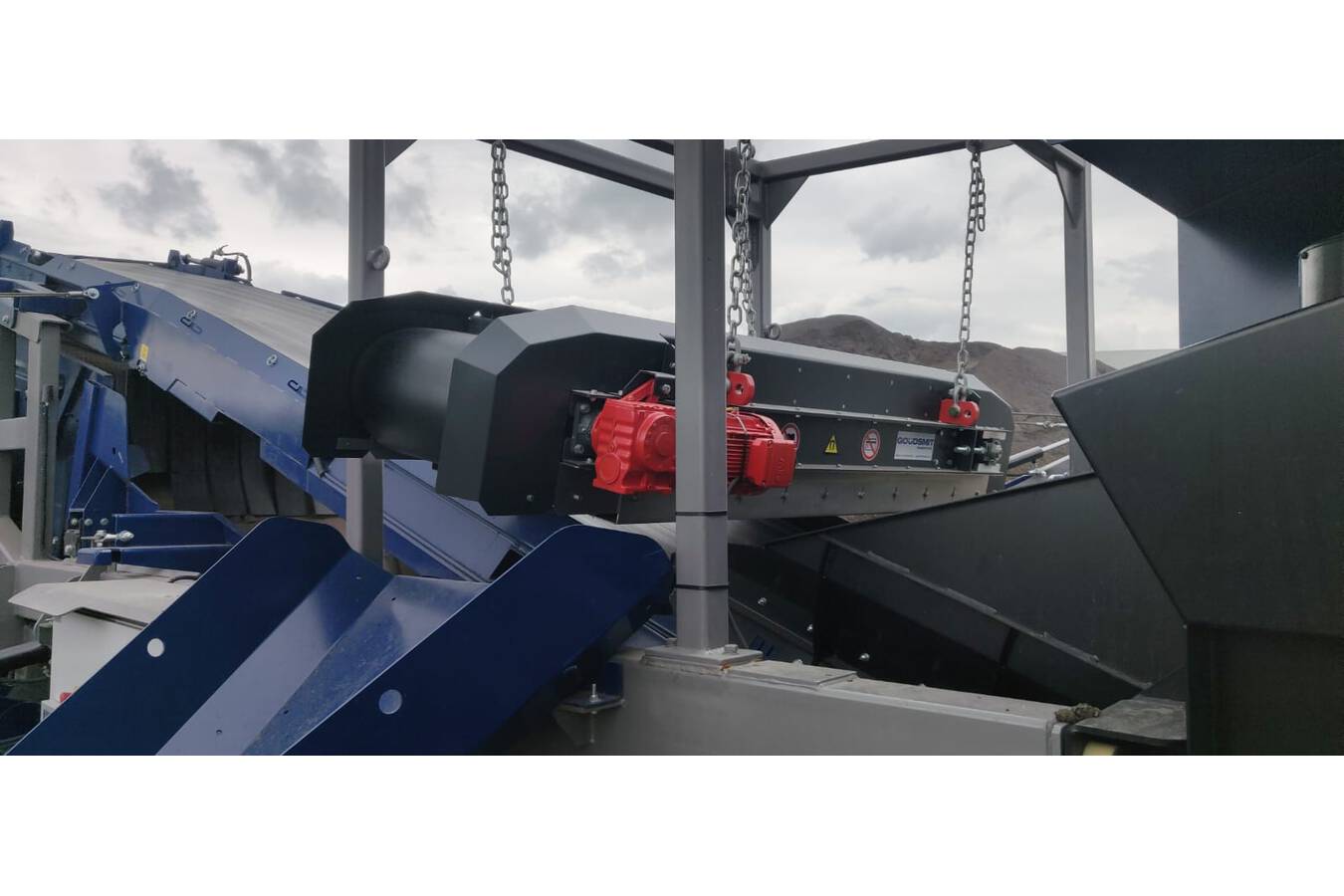
Goudsmit has recently developed a range of mobile overband magnets. The modularly designed magnets remove iron particles from underlying material streams and are intended for mobile recycling systems. For mobile recycling systems such as shredders, crushers and screens. The magnetic separators are constructed with either Ferrite or Neodymium magnets, with the latter being upgraded from a 2-pole to a 3-pole system. This modified design provides a stronger magnetic field from the same number of magnets. The compact and strong Neodymium 3-pole overband allows iron to rotate more and pulls it loose, even when it is under a pile of material. This ultimately results in a cleaner product and allows more metal to be recovered. Modular construction The recent design of the mobile overband magnets is modular and includes an extra attenuator at the end of the magnet. As mobile crushers have a diverse power supply - electric or hydro - the modular construction offers the user a choice between a hydro drive, gearmotor drive or drummotor drive. The weakening magnet in the new version comes on top of the various working widths, available in 650, 800, 1000, 1200 and 1400 mm.
17.10.2022  |  2204x  |  Product news  |   | 
PORTALS
Recycling-Portal Schuettgut-Portal BulkSolids-Portal
SIGN UP FOR OUR NEWSLETTER
Newsletter archive
Service and contact
ContactDisclaimerPrivacyAdvertising
FOLLOW US
Linked