Supplier sign in
Home
STAY INFORMED
Subscribe to our monthly newsletter.
Your email address will never be disclosed to any third party.
Read our privacy notice.
Product news
04-09-2026  |  15 x
Share:

Waste-to-Energy Plant Monitoring: 3D Radar & Sensing Solutions

WtE plants manage diverse bulk materials. Radar scanners, level sensors, and point switches optimize inventory in pits, hoppers, and silos.
Waste-to-energy (WtE) plants handle a variety of materials, including incoming waste, combustion residues, flue gas treatment reagents, and leachate. These materials can create different measurement challenges, such as dust, fog, high humidity, material buildup, corrosion, and irregular material surfaces.
For this reason, WtE plants often require different monitoring technologies for different process areas. 3D radar scanning, radar level measurement, laser scanning, and point-level switches can be selected according to the material, operating conditions, and monitoring requirements.

Monitoring Challenges Across Waste-to-Energy Plants

Waste Storage Pits
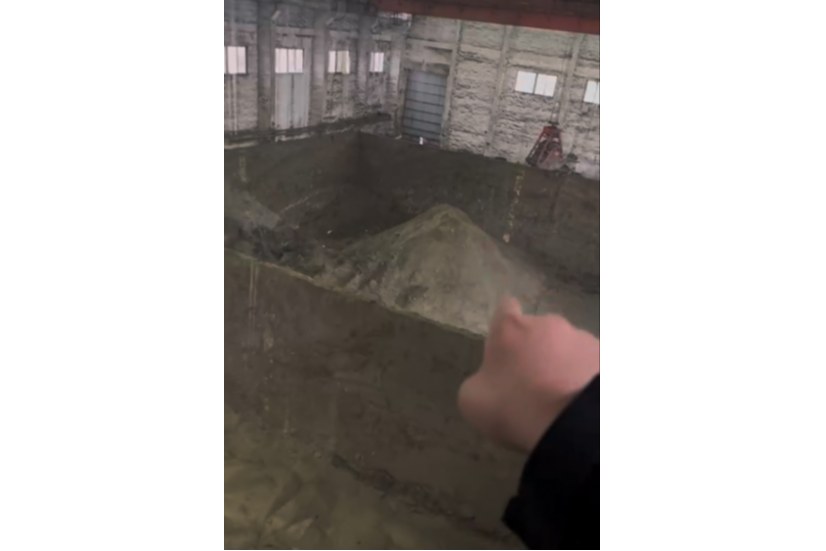
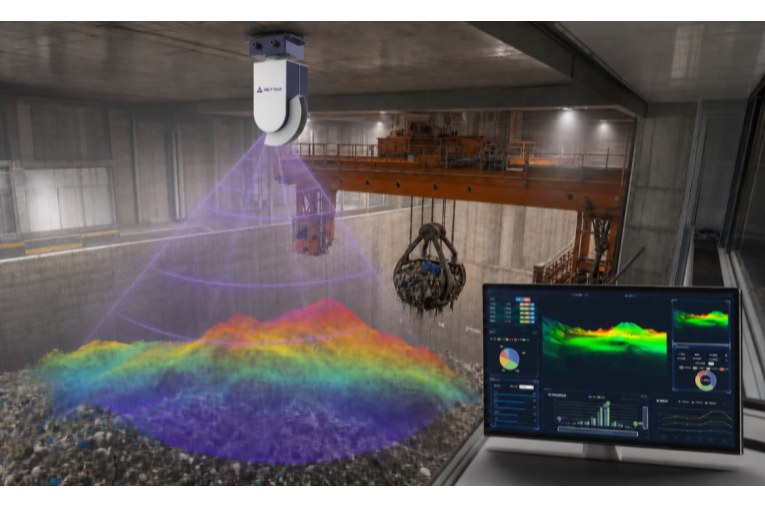
Waste storage pits contain mixed and irregular materials that are constantly changing. Moisture, fog, dust, and odors can also make visual inspection difficult.
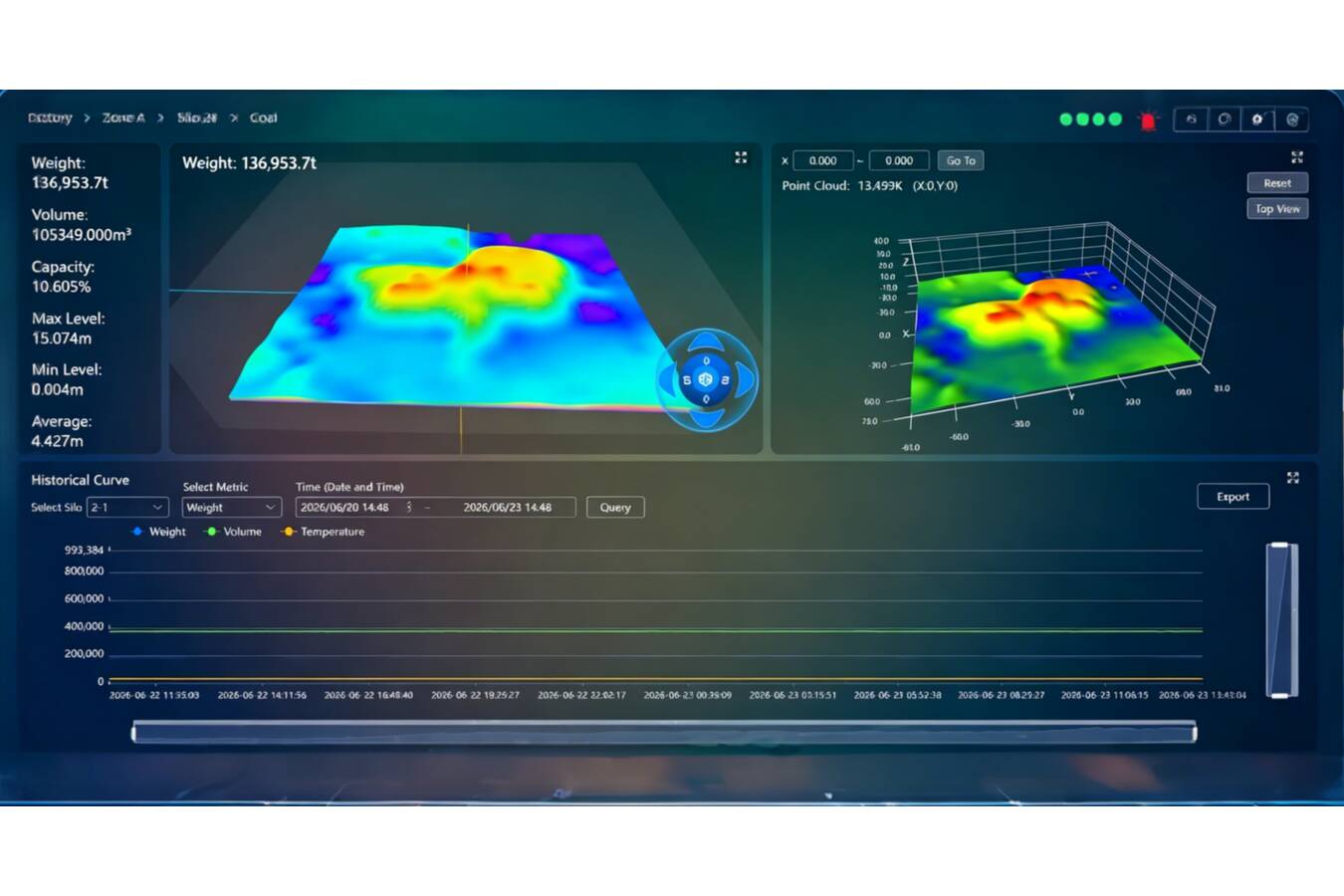
A 3DPro2300 Radar Scanner can scan the material surface and generate a three-dimensional model, providing information about material height, surface distribution, and estimated volume.
This information can support waste inventory monitoring, crane operations, feeding planning, and inventory tracking.
Feeding Hoppers and Chutes
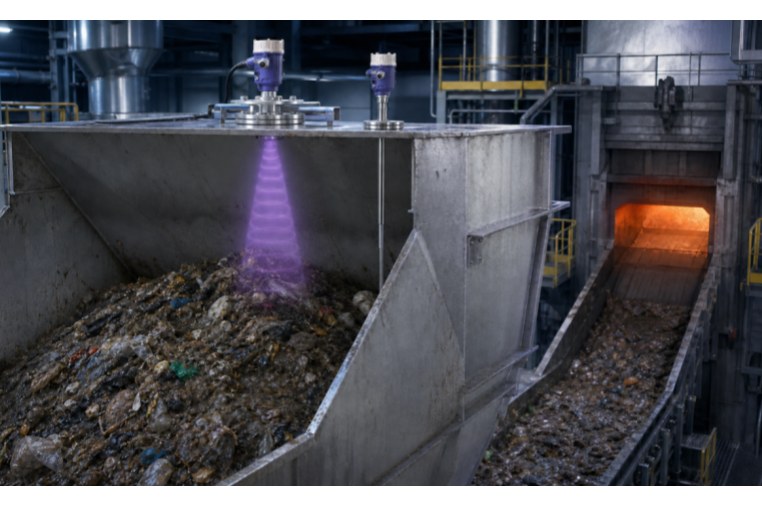
Wet, sticky, or irregular waste can sometimes contribute to bridging, unstable material flow, or temporary empty conditions in feeding systems.
CPR series high-frequency radar level sensors can provide continuous, non-contact level measurement in suitable hopper applications. Vibrating rod level switches can complement radar measurement by providing high- and low-level alarms for conditions such as material shortage or overfill.
Fly Ash and Slag Silos
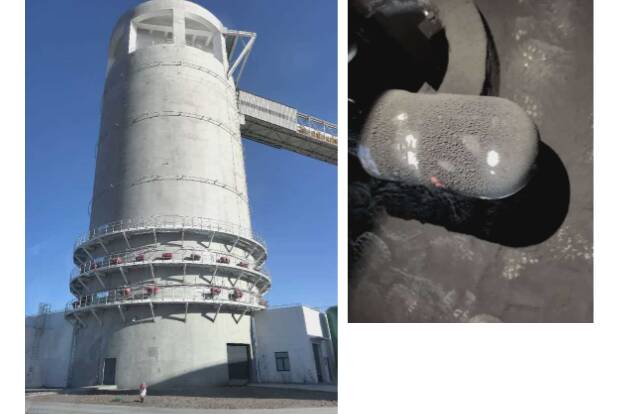
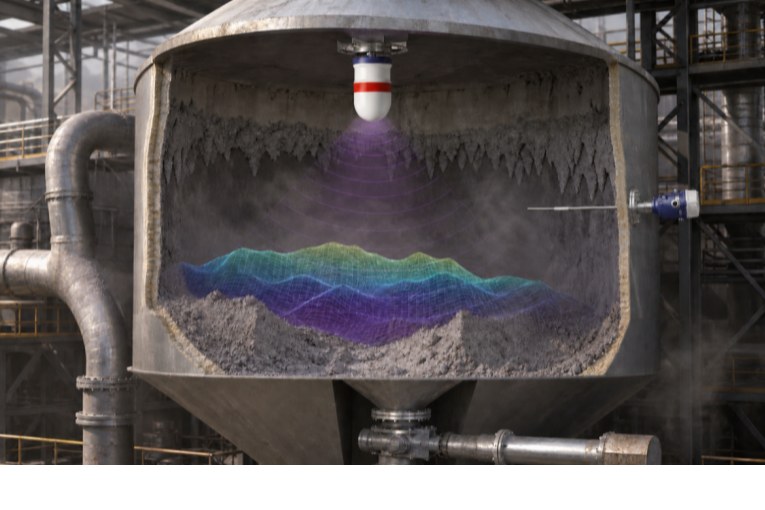
Fly ash and slag can generate fine dust and may accumulate on silo walls or form uneven material surfaces. A single-point measurement may not fully describe the stored material.
For suitable ash-handling applications, a 3D radar scanner can map the material surface and calculate an estimated stored volume. Radar level sensors and vibrating rod switches can also be used when continuous level measurement and point-level alarms are the main requirements.
Flue Gas Treatment Reagent Bins
Materials such as lime and activated carbon are used in flue gas treatment processes. These dry powders can generate dust and may have uneven discharge characteristics.
Radar level measurement can provide continuous information about reagent levels, while 3D scanning can provide additional information about the overall material surface and estimated inventory in larger storage areas. This data can support replenishment planning and material management.
Leachate and Wastewater Tanks
Leachate and wastewater present different challenges from dry bulk materials. Corrosive media, foam, and water vapor can affect the suitability of some measurement technologies.
80GHz high-frequency radar can provide non-contact continuous level measurement for suitable liquid applications. Tuning fork or other point-level switches can provide additional high- or low-level protection.
The appropriate technology should be selected according to the liquid properties, tank design, temperature, foam conditions, and required measurement performance.
Outdoor Storage Areas and Material Sheds
Outdoor storage areas can be affected by rain, fog, dust, and changing environmental conditions. Large storage spaces can also make manual inventory measurement time-consuming.
3D inventory scanning with radar or laser technology can provide automated information about the material surface and estimated inventory. Depending on the system configuration, scans can be performed periodically or continuously, reducing the need for routine manual measurements in difficult-to-access areas.

Smart Monitoring Technologies for Material Inventory

Different sensing technologies provide different types of information, so they are often used as complementary tools rather than alternatives to one another.
  • 3D Radar Scanners: Measure thousands of spatial points across broad material topographies to generate true volumetric models. Essential for large storage yards, waste pits, and high-dust silos.
  • 80GHz Radar Level Sensors: Deliver narrow-beam, continuous point-level measurement in tight hoppers, reagent bins, and corrosive liquid tanks.
  • Point-Level Switches: Vibrating rod and tuning fork switches function as secondary safety interlocks, preventing overfill catastrophes and pump dry-runs.
  • 3D Laser Scanners: Ideal for open yards or dry storage sheds requiring high-density spatial point resolution under clear optical conditions.

For larger WtE facilities, these technologies can be connected with Pro Inventory management systems or plant control systems where compatible communication interfaces are available. The resulting data can support inventory tracking, material scheduling, feeding, ash discharge, and reagent replenishment.
The objective is not simply to install more sensors, but to select the appropriate measurement method for each material and process area.

Key Benefits of Automated Material Monitoring

Automated material monitoring can provide operators with more frequent and consistent information about material conditions while reducing dependence on routine manual measurements.
For waste pits and large storage areas, 3D inventory monitoring solutions can provide a broader view of material distribution and estimated volume than a single measurement point. For hoppers, silos, and tanks, continuous radar measurement can provide ongoing level information, while point-level switches can provide additional high- and low-level alarms.
This information can help operators identify changes in material conditions, support inventory planning, and reduce the need for personnel to enter difficult-to-access areas for routine checks.
When measurement data is integrated with inventory software or plant systems, it can also contribute to a more data-based approach to material management and daily plant operation.


Company information

More items

Coal Storage Inventory Monitoring: 3D Laser vs. Millimeter-Wave Radar Coal inventory in silos or sheds is challenging due to dust and humidity. 3D laser scanners suit sheds with moderate dust for detailed mapping. 80GHz radar is best for enclosed silos with extreme dust/steam for deep penetration.
Coal Storage Inventory Monitoring: 3D Laser vs. Millimeter-Wave Radar
Coal inventory in silos or sheds is challenging due to dust and humidity. 3D laser scanners suit sheds with moderate dust for detailed mapping. 80GHz radar is best for enclosed silos with extreme dust/steam for deep penetration. Keeping track of bulk coal inventory is a persistent operational challenge. In large storage sheds and tall silos, heavy airborne dust, humid vapor, and shifting material piles make accurate volume estimation exceptionally difficult. Measuring these stockpiles precisely is essential to maintain steady boiler feed rates in power plants while protecting silos from structural damage caused by asymmetrical loading. Both 3D laser scanners and millimeter-wave 3D radars offer automated, non-contact volumetric tracking—each excelling in specific plant environments. Key Takeaways: * 3D Laser Scanning: Best for indoor coal sheds and semi-enclosed domes with light-to-moderate dust where high-density spatial resolution and detailed surface mapping are needed. * 80GHz Millimeter-Wave Radar: Ideal for enclosed coal silos with extreme dust, high humidity, and heavy steam due to its superior signal penetration. * Operational Impact: Both technologies eliminate high-risk manual climbing,…
20-08-2026  |  173  |  product description  | 
Continue reading
3D Radar for Coal Silos: Preventing Summer Caking Risks Wet coal in silos causes inaccurate inventory, wall clinging, and structural stress. The RETTAR 3DPro 2300 Radar Scanner provides precise 3D real-time bulk solids monitoring, preventing blockages and ensuring safe, accurate fuel management.
3D Radar for Coal Silos: Preventing Summer Caking Risks
Wet coal in silos causes inaccurate inventory, wall clinging, and structural stress. The RETTAR 3DPro 2300 Radar Scanner provides precise 3D real-time bulk solids monitoring, preventing blockages and ensuring safe, accurate fuel management. Peak summer electricity demands require power plants to maintain maximum fuel reserves. However, high seasonal humidity and heavy rainstorms make stored coal wet and cohesive, causing material to stick to vessel walls and form hidden internal cavities. Deploying an advanced system, such as the RETTAR 3DPro 2300 Radar Scanner, addresses these measurement errors by replacing single-point estimations with continuous radar tracking—ensuring reliable bulk inventory tracking, preventing structural wall damage, and enabling safe fuel management. Seasonal Hazards vs. 3D Real-Time Bulk Monitoring Solutions Summer humidity and heavy rainfall create severe material handling challenges in power generation plants. Wet coal becomes highly cohesive, causing it to cling to vessel walls and form dangerous hidden arches or cavities. Traditional meters often measure a single high spot, mistaking a half-empty vessel for a full one and causing critical fuel supply disruptions. Furthermore,…
10-08-2026  |  200  |  product news  | 
Continue reading
Behind the Scenes of Rettar’s Precision 3D Radar Manufacturing Harsh industrial conditions cause inaccurate bulk solids inventory in silos. Advanced 80GHz 3D level scanners, rigorously tested for extreme environments, provide continuous, precise volumetric measurement for reliable stock control.
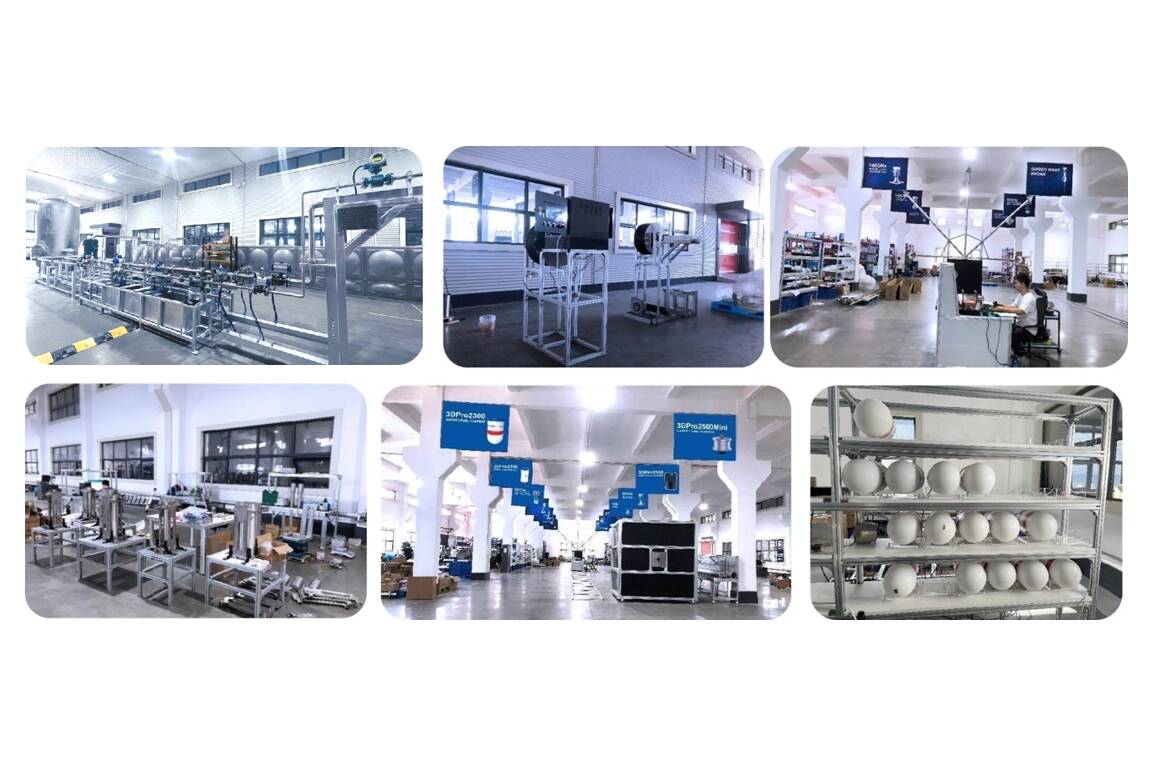
Behind the Scenes of Rettar’s Precision 3D Radar Manufacturing
Harsh industrial conditions cause inaccurate bulk solids inventory in silos. Advanced 80GHz 3D level scanners, rigorously tested for extreme environments, provide continuous, precise volumetric measurement for reliable stock control. Industrial bulk material processing relies on accurate stock monitoring to prevent unexpected production stoppages. During peak summer operations, extreme heat, high humidity, and heavy dust cause material caking along vessel walls, leading to significant inventory accounting errors. Deploying an advanced 3D level scanner for silos addresses these data gaps by replacing manual estimations with continuous radar tracking, ensuring reliable stock records, enhanced workplace safety, and seamless factory material flow. Extreme Industrial Conditions Threaten Silo Inventory Management Maintaining precise bulk inventory presents ongoing operational challenges when field sensors operate in harsh plant conditions. Silo tops frequently reach temperatures above 60°C, which can cause standard electronic components to suffer signal drift or thermal throttling. At the same time, internal humidity causes fine powders to cake and cling to internal walls, creating hollow spaces that…
04-08-2026  |  240  |  product news  | 
Continue reading
3D Radar Solves Bulk Material Inventory Errors in Factory Yards 3D radar replaces flawed manual yard inventory with precise, real-time volume data, overcoming dust and irregular piles to boost accuracy and efficiency.
3D Radar Solves Bulk Material Inventory Errors in Factory Yards
3D radar replaces flawed manual yard inventory with precise, real-time volume data, overcoming dust and irregular piles to boost accuracy and efficiency. In 2026, manufacturing profits face tightening pressures from volatile raw material costs, rising labor expenses, and stricter safety rules. Today, saving operational overhead is the most direct way to protect industrial earnings. Unfortunately, the most common area for hidden losses is often out of sight: bulk material warehouses storing coal, mineral powder, cement, or grain. While these materials move in and out daily, tracking true stock levels remains a constant challenge. Traditional manual inventory checks are slow and highly inaccurate, leaving managers with unreliable data. What Causes Bulk Material Inventory Errors in Factory Yards? Accurate stock tracking inside large containment structures requires balancing several volatile physical conditions: * Dense Environmental Dust: High-volume loading creates thick particle clouds that block standard optical or acoustic tracking tools, causing frequent measurement errors. * Highly Irregular Piles: Shifting raw stocks…
28-07-2026  |  272  |  product news  | 
Continue reading
Addressing Common Industrial Challenges with Smart Factory Tech From manual labor to data-driven precision, RETTAR is redefining industrial efficiency. Discover how our smart factory solutions—from 3D radar to automated loading—eliminate blind spots and enhance safety in the era of Industry 4.0.
Addressing Common Industrial Challenges with Smart Factory Tech
From manual labor to data-driven precision, RETTAR is redefining industrial efficiency. Discover how our smart factory solutions—from 3D radar to automated loading—eliminate blind spots and enhance safety in the era of Industry 4.0. For many years, industrial work was often associated with loud noise, harsh environments, and a heavy reliance on manual labor. Plant operators frequently had to deal with “blind spots” in their production lines, relying on manual checks and personal experience to estimate stock levels or monitor equipment health. This often led to unexpected downtime, safety risks, and wasted resources. However, the rise of Industry 4.0 has changed this landscape. Modern facilities have made a great leap forward; they are no longer just labor-intensive sites, but smart environments integrated with data and intelligent systems. This transformation is not about replacing human work, but about providing the right tools to make that work safer, more reliable, and more efficient. RETTAR is dedicated to helping plants make this shift with practical, technology-driven solutions. Automated Loading for Smarter Logistics Loading docks are often high-traffic and high-risk zones. Automated…
27-06-2026  |  459  |  product news  | 
Continue reading
PORTALS
Recycling-Portal Schuettgut-Portal BulkSolids-Portal
SIGN UP FOR OUR NEWSLETTER
Newsletter archive
Service and contact
About, ContactDisclaimerPrivacyAdvertisingControl panel login
Follow us
Linked
Supplier sign in