Dust Removal in Battery Recycling; Safety, Health and Efficiency
Battery recycling requires dust extraction during crushing, conveying and screening. Infastaub offers enclosed systems with ATEX-compliant filters.
With the rapid growth of the battery industry, battery recycling is moving into focus as well. Large production capacities are still being built up, but it is already clear that considerable volumes of end-of-life batteries and production scrap will have to be returned to the recycling loop in the coming years. That raises the demands placed on industrial dust extraction.
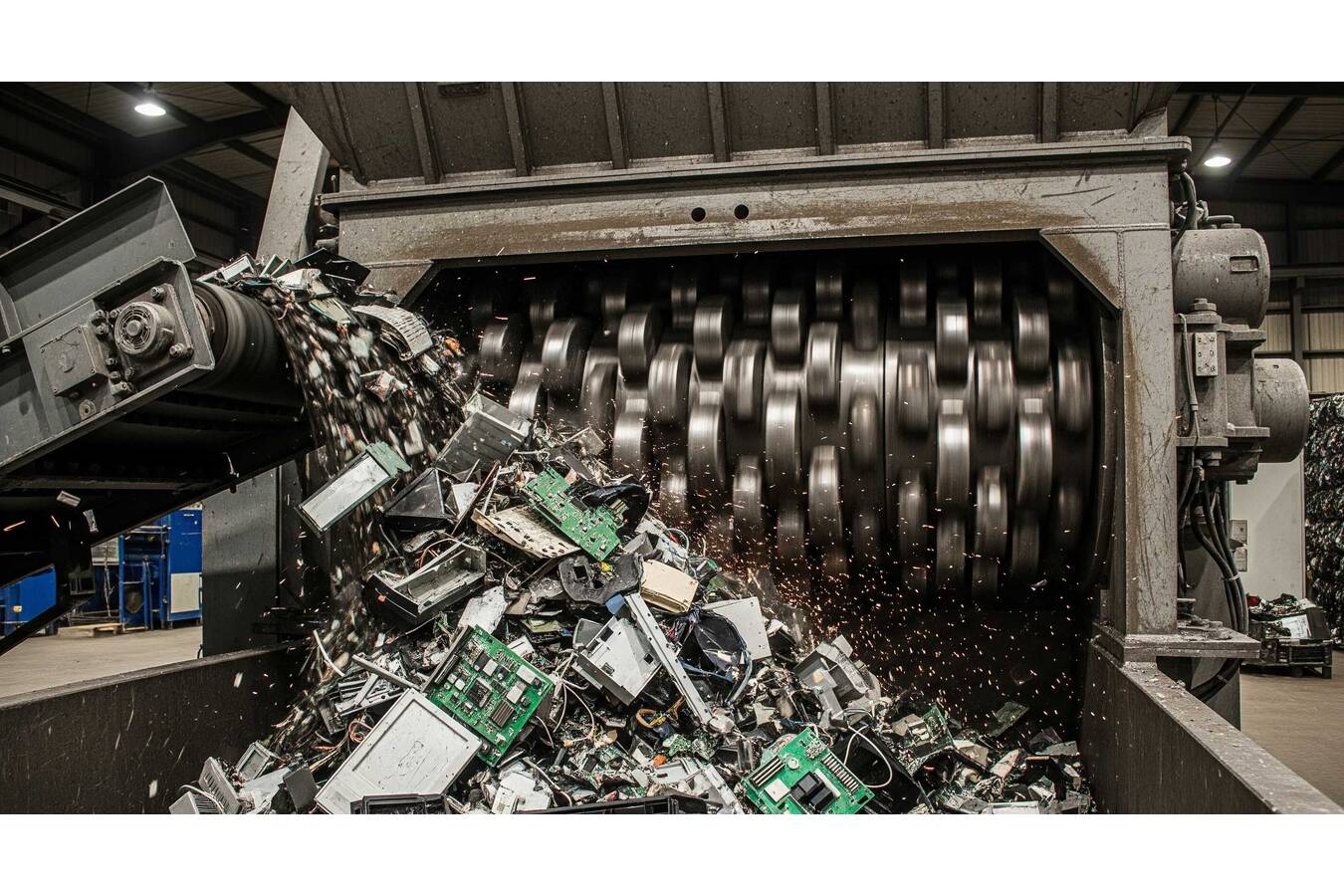
Processing lithium-ion batteries generates dust in almost every process step. Whether during shredding, conveying, screening, sorting or at belt transfer points, graphite and lithium metal oxide dusts in particular place high demands on plant engineering and occupational safety. These dry, free-flowing dusts are often combustible, in some cases toxic, and can present a considerable explosion and health risk.
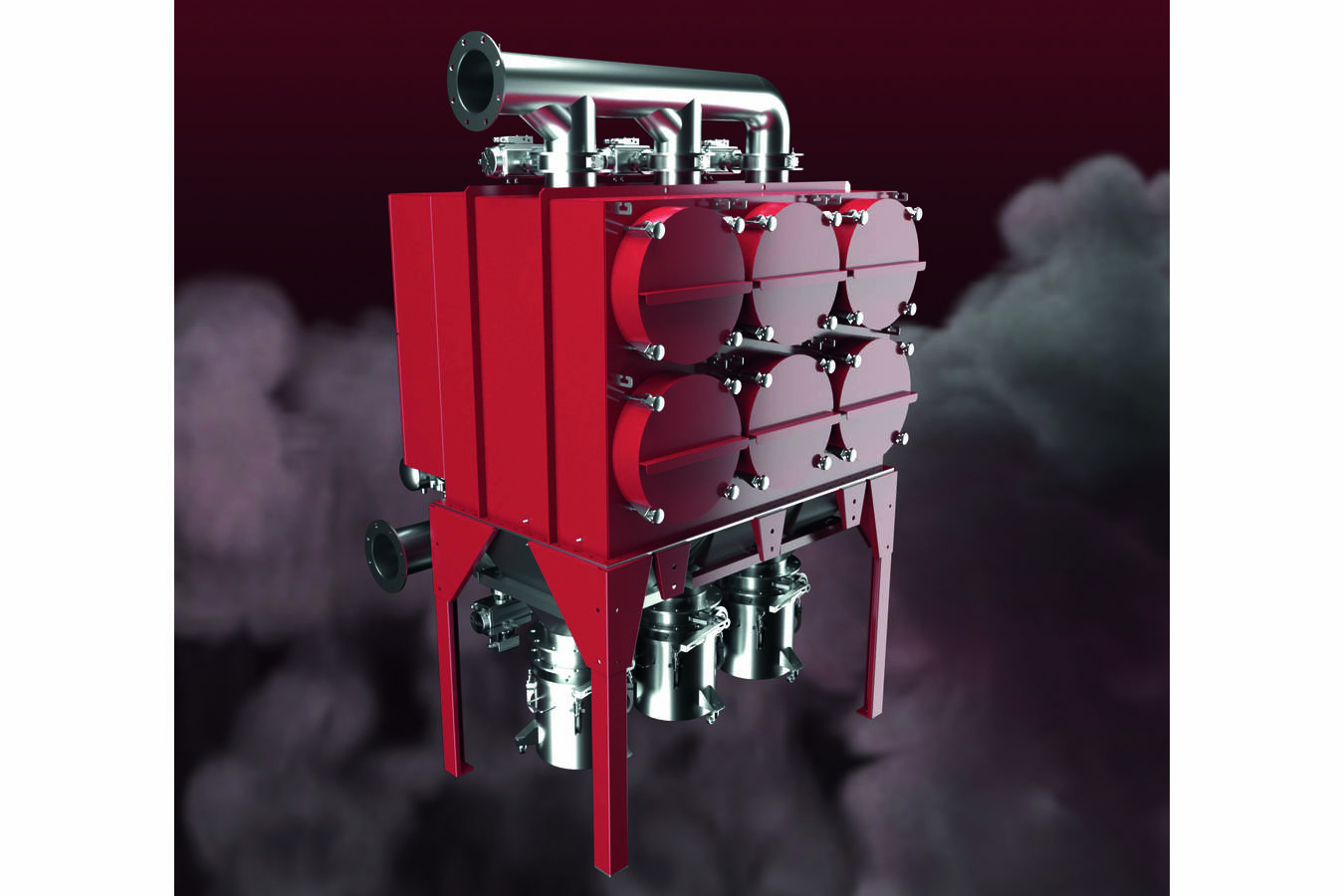
This is where Infastaub GmbH comes in with dust extraction systems built to measure. The company has nearly 60 years of experience in industrial filtration and has already completed first reference projects in battery and recycling applications. The aim is to capture dust emissions reliably, protect employees from health risks and keep the plant economical to run at the same time. One particular challenge in battery recycling is handling contaminated and potentially hazardous dusts, which is why enclosed systems for safe filter changes are becoming more important. Bag-in-bag-out systems allow filter media to be replaced without operators coming into contact with the collected material. Solutions of this kind meet stringent occupational safety requirements and are used above all in applications with high OEB classifications.
Dust extraction plants in battery recycling generally have to comply with the ATEX directives on protection against dust and gas explosions. Combustible dusts and possible ignition sources call for specially designed filter units that are both explosion-protected and rated for different temperature ranges. Depending on process conditions, cartridge filters, bag filters or sintered lamella filters are used. A broad range of filter media means each solution can be matched precisely to the operator's requirements.
Dust extraction does more than protect. In many processes the collected dusts contain valuable raw material fractions that can be analysed further downstream and, where suitable, returned to the material loop. Filtration therefore also contributes to resource efficiency and the circular economy. The recycling industry is developing with considerable momentum, and for Infastaub it is an important future market in which health protection, ATEX conformity, fine dust filtration, safe filter changes and raw material recovery are gaining weight. Modern dust extraction is thus becoming an essential building block for safe and sustainable recycling processes, particularly in the growing market of battery recycling.