Supplier sign in
Home
STAY INFORMED
Subscribe to our monthly newsletter.
Your email address will never be disclosed to any third party.
Read our privacy notice.


News

Post your news
RDF Conveyors: FB Ketten Quadruples Service Life in Cement Plant Through an optimized chain design, FB Ketten increased the service life of an RDF drag chain conveyor to over 19,000 hours. The result for the Swiss cement plant: €70,000 in savings and maximum process reliability.
RDF Conveyors: FB Ketten Quadruples Service Life in Cement Plant
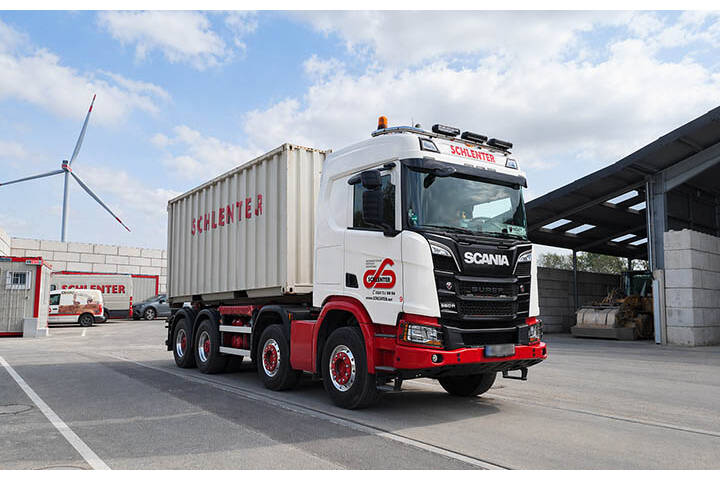
Through an optimized chain design, FB Ketten increased the service life of an RDF drag chain conveyor to over 19,000 hours. The result for the Swiss cement plant: €70,000 in savings and maximum process reliability. Endurance Test for Conveyor Tech in the Cement Industry Conveyor chains in cement plants and RDF processing facilities are high-load components that must function reliably under abrasive and moist operating conditions. Their service life directly influences plant availability and thus the cost-effectiveness of the entire process. This practical case shows how significant improvements can be achieved through an optimized chain design. Extreme Stress from Abrasive Refuse-Derived Fuels Conveyor systems for alternative fuels such as plastic granulate typically run in continuous operation. The chains are constantly exposed to mechanical stress, abrasive conveyed materials, moisture, contamination, temperature changes, and insufficient lubrication. For the operators, this means: * High sensitivity to unplanned downtime. * Rising maintenance and spare parts costs due to insufficient chain quality or design, materials, and heat treatment not adapted to conveyor parameters. *
12.03.2026  |  006x  |  Product news  | 
VEGA at IFAT 2026 Stable measured values for a resilient water industry. From 4 to 8 May 2026, at IFAT in Munich, booth C1.239, VEGA will be showing state-of-the-art level and pressure instrumentation.
VEGA at IFAT 2026
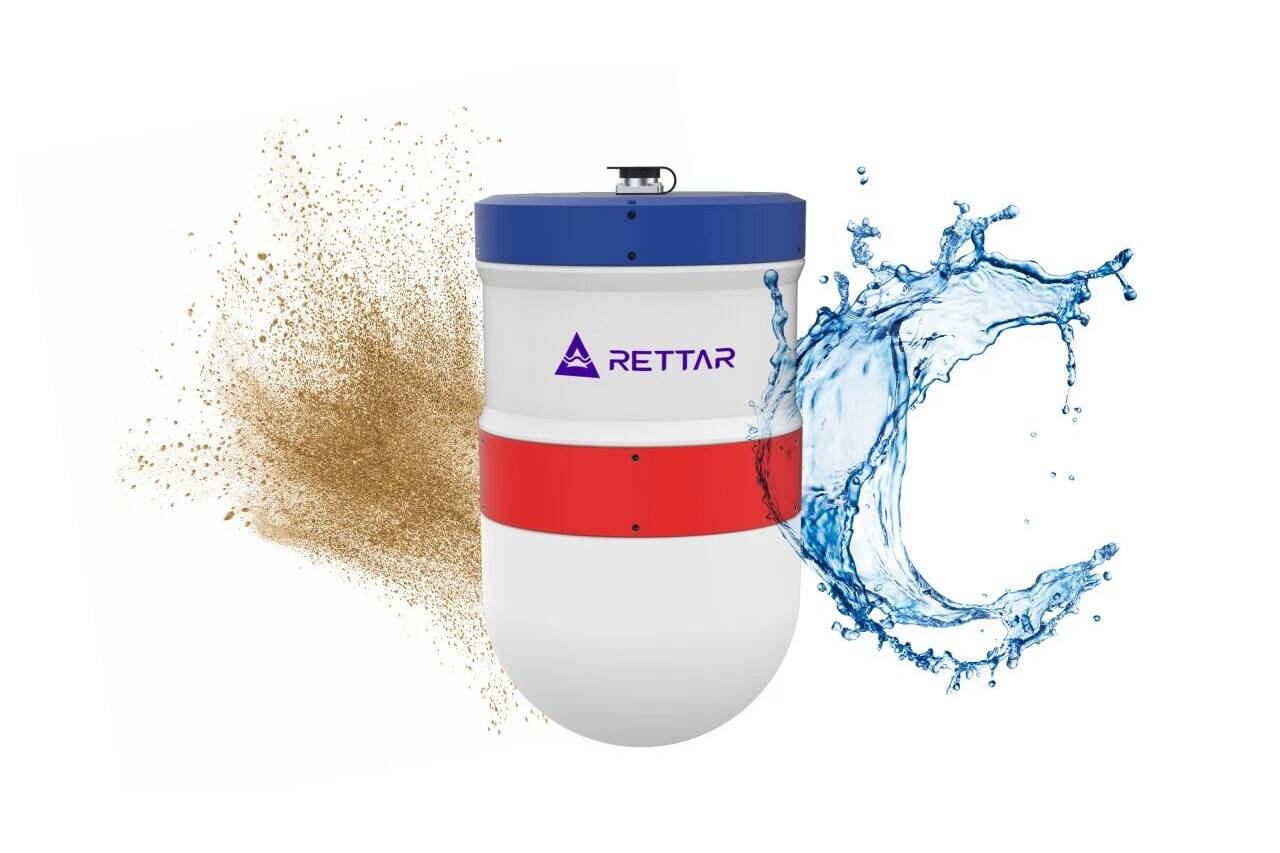
Stable measured values for a resilient water industry. From 4 to 8 May 2026, at IFAT in Munich, booth C1.239, VEGA will be showing state-of-the-art level and pressure instrumentation. Extreme weather events, increasing demands on drinking water quality and ever more complex wastewater processes are putting operators under increasing pressure. A sustainable and resilient water and wastewater infrastructure therefore needs one thing above all else: reliable measurement data, even under difficult conditions. From 4 to 8 May 2026, at IFAT in Munich, booth C1.239, VEGA will be showing how state-of-the-art level and pressure instrumentation helps to keep processes stable and efficient over the long term. Interactive demonstrations at the exhibition stand illustrate the capabilities of the sensors under realistic operating conditions. One focus is on wastewater treatment. Precise and stable measured values are indispensable in all process stages: from inflow via pumping stations to sedimentation and aeration to sludge dewatering and effluent control. Even in the presence of foam, vapours, buildup or changing media conditions, VEGA sensors deliver
11.03.2026  |  017x  |  Press release  |   | 
Future-Proofing Bulk Logistics: 22nd Belt Conveyor Conference 2026 Join industry leaders in Essen this May to explore the next generation of conveyor technology. From AI-driven maintenance to sustainable quarrying, we bridge the gap between technical safety and economic efficiency.
Future-Proofing Bulk Logistics: 22nd Belt Conveyor Conference 2026
Join industry leaders in Essen this May to explore the next generation of conveyor technology. From AI-driven maintenance to sustainable quarrying, we bridge the gap between technical safety and economic efficiency. If bulk materials are to be conveyed reliably and energy-efficiently, belt conveyors are indispensable in many plants. This is exactly where our conference comes in. In five selected program highlights, the conference addresses key future topics related to the operation, safety, and design of belt conveyor systems: Enhancing Safety: Biomass Fire Prevention and Monitoring Yevhen Redka (Artur Küpper GmbH & Co. KG) explains why conveying biomass is particularly challenging due to fluctuating moisture levels and a heterogeneous material structure, and how this can increase the risk of fire—placing special emphasis on idler rollers as a potential heat source and on thermal monitoring systems (IR/sensor technology) that can detect critical temperature rises at an early stage. Smart Maintenance: Vibration-Based Diagnostic Systems Jan Wilke (REMA TIP TOP AG) focuses on maintenance and presents a vibration-based diagnostic system for idler roller wear detection, which
06.03.2026  |  074x  |  Press release  | 
Optimizing Moisture Control in Chemical Manufacturing Processes Effective moisture management is essential for chemical producers to maintain product stability, ensure industrial safety, and reduce energy consumption through the use of real-time NIR sensing technology.
Optimizing Moisture Control in Chemical Manufacturing Processes
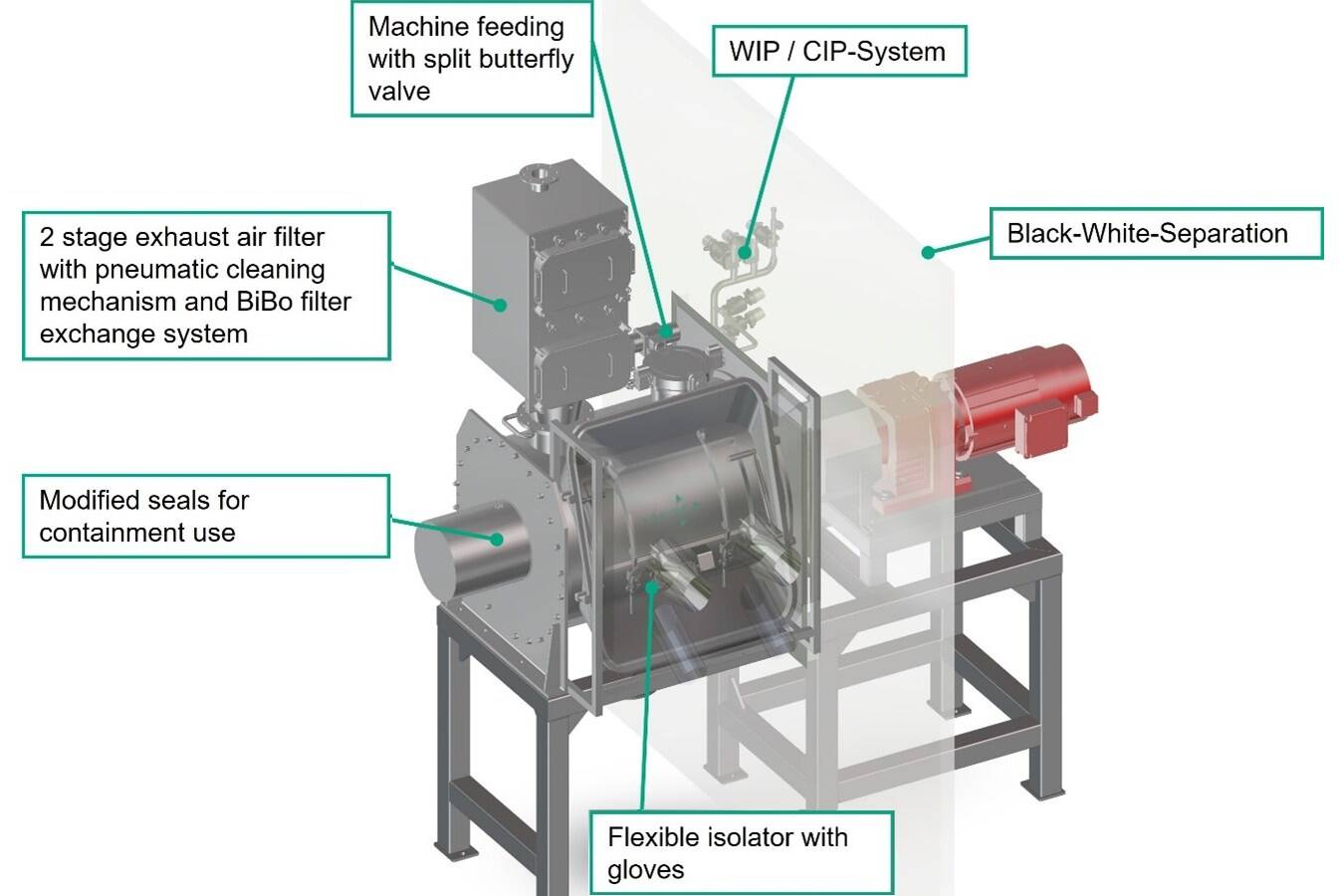
Effective moisture management is essential for chemical producers to maintain product stability, ensure industrial safety, and reduce energy consumption through the use of real-time NIR sensing technology. Moisture levels in chemical production significantly influence reaction rates, crystallization, and the stability of finished products. For materials such as powders and granules, even minor fluctuations can lead to caking or segregation during conveying and mixing. Maintaining Quality and Process Consistency Strict moisture control ensures that active ingredient concentrations and coating uniformities meet rigorous industry standards. Consistent moisture levels prevent product deformation and clumping, ensuring predictable performance in downstream applications like plastics and agriculture. * Improved solubility and crystallization behavior * Enhanced shelf life for hygroscopic materials * Prevention of sticking during bulk solids handling Safety Risks and Equipment Protection Improper moisture levels can introduce significant hazards to a facility. Excessively dry powders increase the risk of dust explosions, while water-reactive substances may emit flammable
05.03.2026  |  088x  |  Product news  | 
More diversity than ever: SOLIDS & RECYCLING-TECHNIK Dortmund 2026 On March 18 and 19, 2026, Dortmund becomes the meeting point for the bulk solids, process, and recycling industries.
More diversity than ever: SOLIDS & RECYCLING-TECHNIK Dortmund 2026
On March 18 and 19, 2026, Dortmund becomes the meeting point for the bulk solids, process, and recycling industries. Expertise in Handling, Processing, and Recycling The trade fair duo SOLIDS & RECYCLING-TECHNIK Dortmund combines two days of comprehensive expertise in the processing, handling, and recycling of fine to coarse-grained materials and waste streams. Visitors receive practical solutions from industry experts and a high-caliber supporting program. With the new Process Automation exhibition area, the duo provides additional momentum for digitized, transparent, and energy-efficient production and recycling processes. SOLIDS Celebrates 20 Years of Innovation SOLIDS Dortmund, the trade fair for granule, powder, and bulk solids technologies, celebrates its 20th anniversary in 2026 under the motto ”Ideas that move. Solutions that stay.” Exhibiting companies showcase the entire spectrum of mechanical process engineering. Simultaneously, RECYCLING-TECHNIK Dortmund presents machinery, plants, and components for reprocessing and environmentally friendly disposal for the 9th
02.03.2026  |  312x  |  Press release  | 
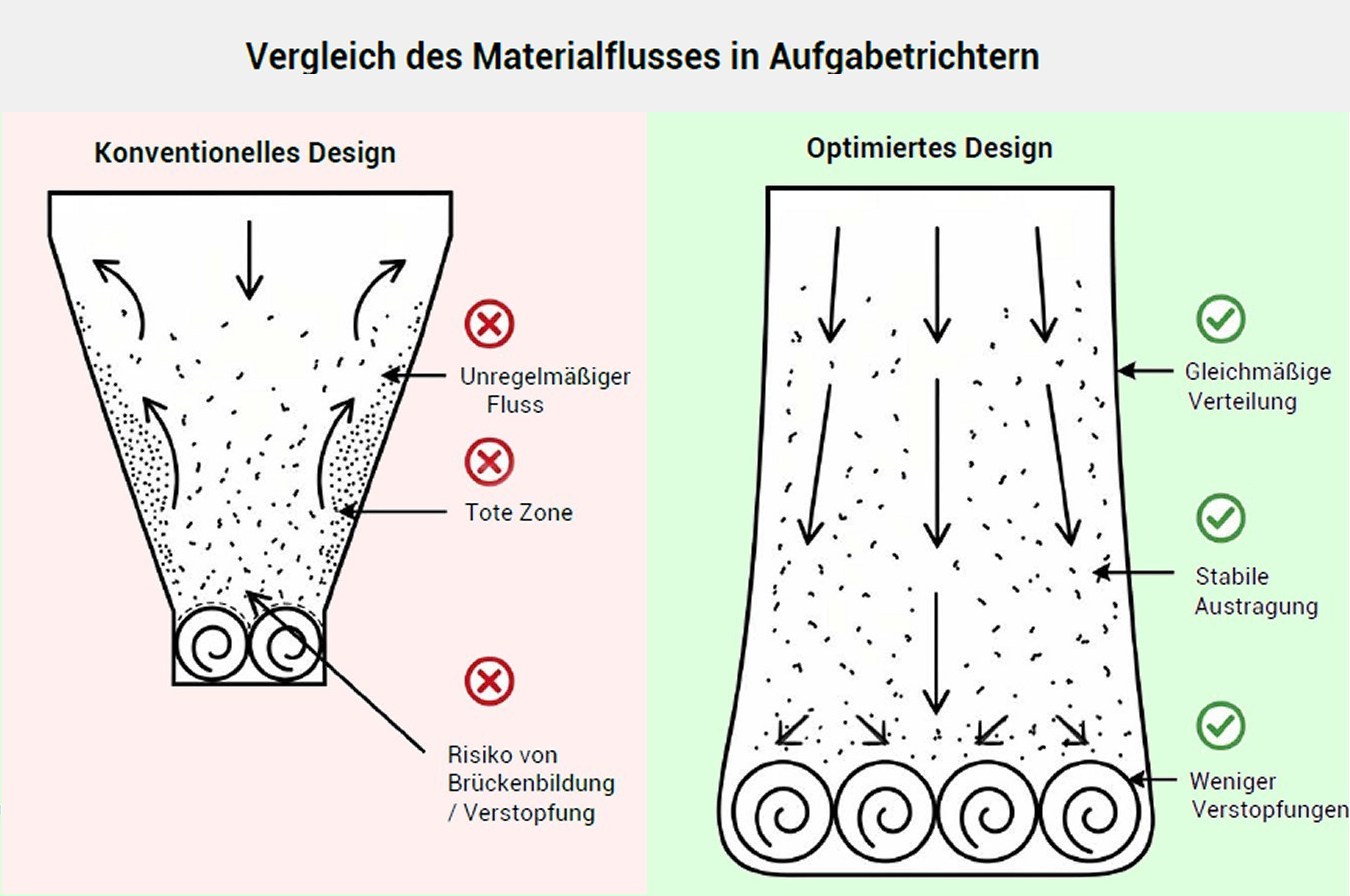
Compaction of Ultra-Lightweight Powders: Why ship air? Compaction of Ultra-Lightweight Powders as a Logistics Efficiency Factor
Ultra-lightweight powders such as pigments, carbon black, silica, cellulose fibres or specialty additives present a fundamental challenge:
Compaction of Ultra-Lightweight Powders: Why ship air?
Compaction of Ultra-Lightweight Powders as a Logistics Efficiency Factor Ultra-lightweight powders such as pigments, carbon black, silica, cellulose fibres or specialty additives present a fundamental challenge: During filling, the material contains a high proportion of air. If this air is not specifically removed, it significantly reduces the effective product quantity per bag and per transport unit. The Influence of Bulk Density on Container Utilization A standard 20-foot container typically holds approximately: 10,080 kg per container when pigments are packed using conventional filling methods. By applying vacuum-assisted compaction during the filling process, container loads of up to 27,600 kg per container can be achieved. This corresponds to an increase of: +17,520 kg of product per container. The product, container size and mode of transport remain unchanged. The difference lies solely in the reduction of the air content within the bag. Economic Considerations Assuming a product value of €200 per kilogram, the calculation is as follows: 17,520 kg × €200/kg = €3,504,000 additional product value per container. This example illustrates the significant impact
02.03.2026  |  098x  |  Product description  | 
MORE POSTS
FEB
2026
JAN
2026
DEC
2025
NOV
2025
OCT
2025
SEP
2025
AUG
2025
JUL
2025
JUN
2025
MAY
2025
APR
2025
MAR
2025
PORTALS
Recycling-Portal Schuettgut-Portal BulkSolids-Portal
SIGN UP FOR OUR NEWSLETTER
Newsletter archive
Service and contact
ContactDisclaimerPrivacyAdvertising
FOLLOW US
Linked