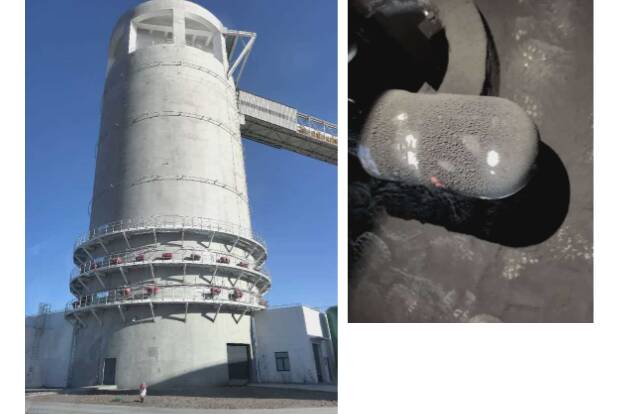
Keeping track of bulk coal inventory is a persistent operational challenge. In large storage sheds and tall silos, heavy airborne dust, humid vapor, and shifting material piles make accurate volume estimation exceptionally difficult. Measuring these stockpiles precisely is essential to maintain steady boiler feed rates in power plants while protecting silos from structural damage caused by asymmetrical loading.
Both 3D laser scanners and millimeter-wave 3D radars offer automated, non-contact volumetric tracking—each excelling in specific plant environments.
Key Takeaways:
- 3D Laser Scanning: Best for indoor coal sheds and semi-enclosed domes with light-to-moderate dust where high-density spatial resolution and detailed surface mapping are needed.
- 80GHz Millimeter-Wave Radar: Ideal for enclosed coal silos with extreme dust, high humidity, and heavy steam due to its superior signal penetration.
- Operational Impact: Both technologies eliminate high-risk manual climbing, prevent structural wall stress, and feed real-time inventory data directly into enterprise ERP/PLC systems.
Key Operational Challenges in Coal Inventory Management
Managing bulk coal comes with unique field challenges that can quickly disrupt daily operations:
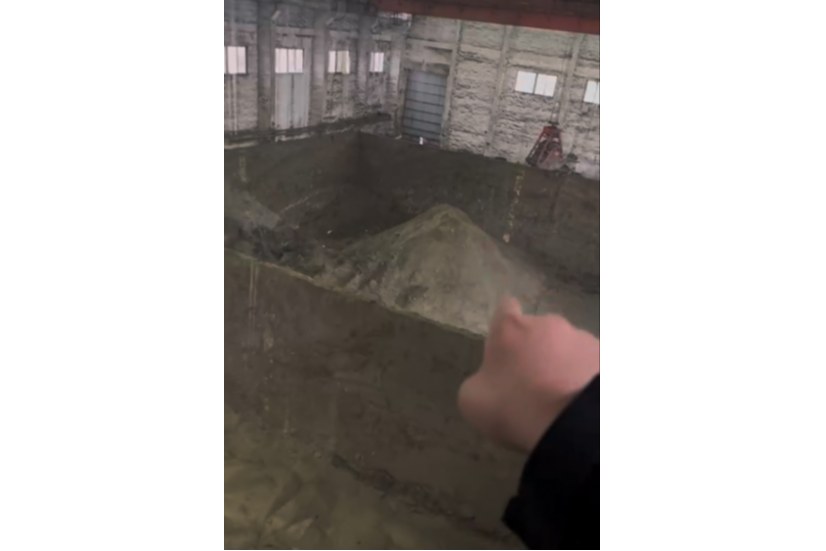
- Heavy Dust and Airborne Moisture: Active dumping and conveyor loading fill coal sheds with dense dust clouds or humid vapor, which can blind basic optical tools.
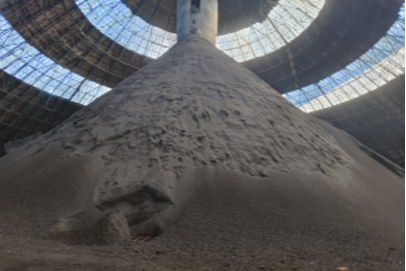
- Uneven Surface Contours: Draw-down pockets, rat-holing, and steep peaks make basic level checks unreliable for estimating total volume.
- Structural Asymmetry Risks: Concealed empty pockets or uneven weight distribution put localized stress on silo walls and support frames.
Precise Surface Mapping with 3D Laser Scanning
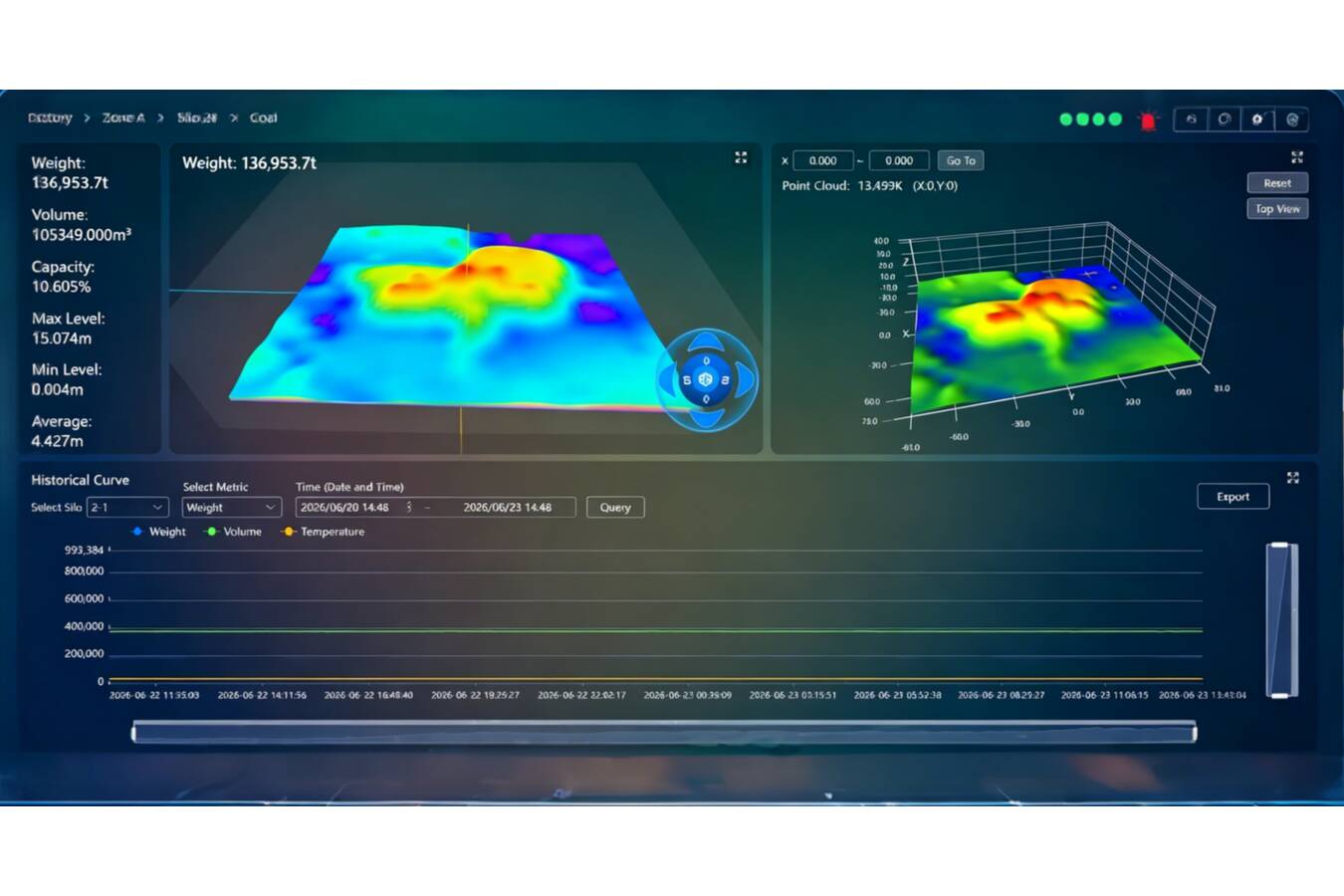
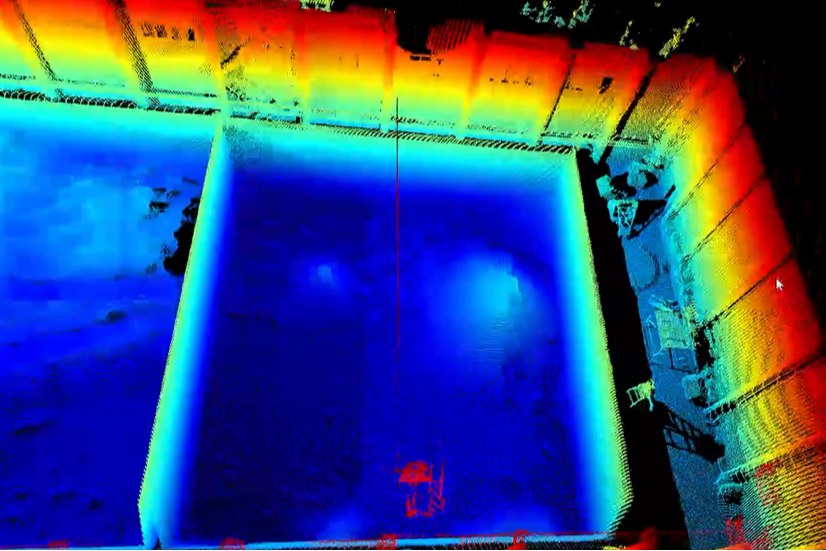
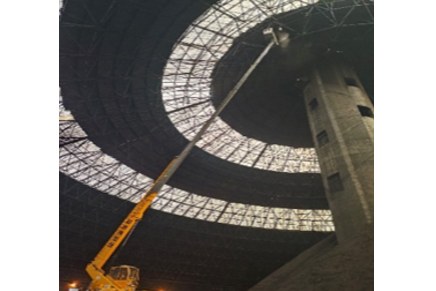
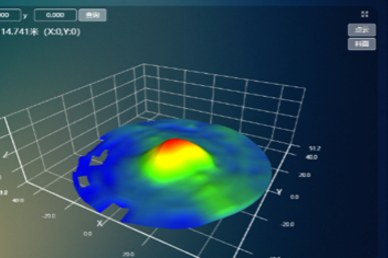
When operating in indoor coal sheds or semi-enclosed domes with low-to-moderate dust levels, optical laser scanning provides rich surface detail. High-frequency light beams sweep across large material surfaces to generate dense, accurate point clouds.
- Detailed Spatial Resolution: Captures fine topographical details, sharp material edges, and complex surface contours across vast storage footprints.
- Fast Area Coverage: Sweeps across wide indoor yards in just minutes to generate complete volumetric models.
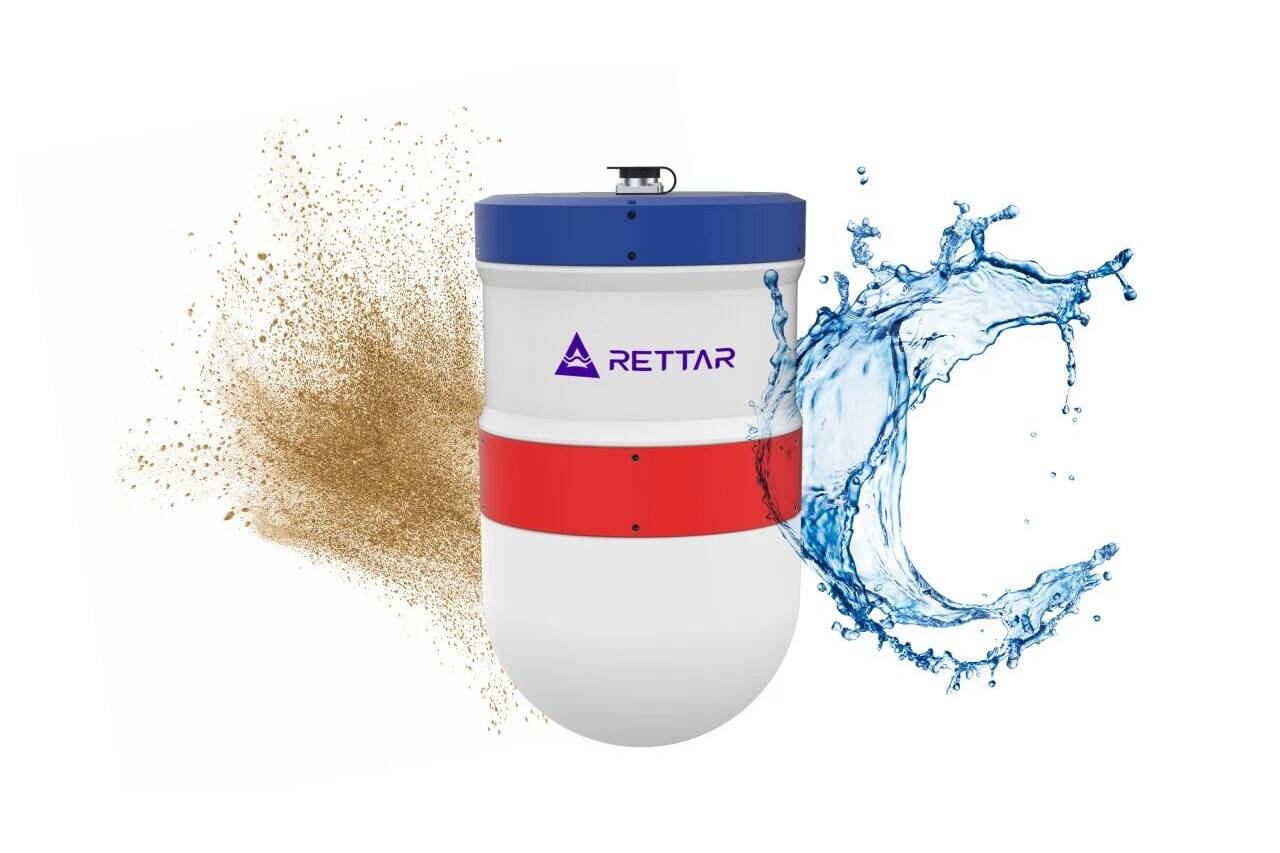
- Rugged Hardware Protection: Hardware like the Rettar 3DPro2501 utilizes dual-layer protective housing and automated lens cleaning to maintain steady performance in dusty coal sheds.
This technology is ideal for plant managers who need high-resolution visual feedback and precise spatial mapping across broad storage areas.
Signal Penetration with Non-Contact 3D Radar Sensors
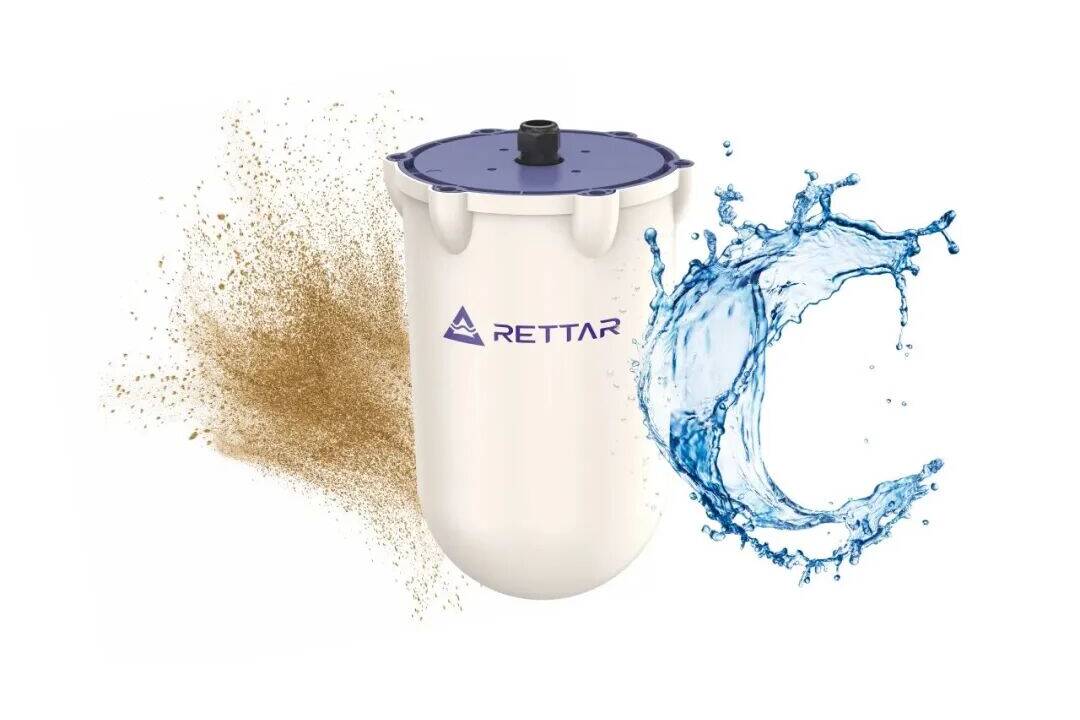
In enclosed coal silos where thick dust, heavy steam, and airborne particles overwhelm light-based sensors, the 3DPro2300 Radar Scanner, an 80GHz millimeter-wave radar, provides a dependable alternative. Instead of relying on light, a non-contact radar level sensor uses electromagnetic waves.
- Penetrates Steam and Dust: High-frequency radar signals pass cleanly through dense dust clouds and heavy humidity without signal loss.
- Low Maintenance Design: Radar signals remain unaffected by material buildup on the sensor face, lowering routine cleaning needs in harsh environments.
- Multi-Point Spatial Radar Arrays: Uses FMCW radar arrays to measure distances across multiple points on the coal surface, calculating true volume under extreme conditions.
This technology provides stable, round-the-clock tracking in humid or heavily enclosed storage spaces.
Unlocking Total Material Visibility and Site-Wide Integration
Selecting the right sensing solution—whether laser-based or radar-based—brings immediate operational clarity to your facility:
- In-Silo Risk Prevention: Plant operators can view real-time 3D models of stored coal to spot asymmetric loading, or rat-holing before structural issues arise.
- Seamless Systems Integration: Live volume data transfers smoothly to plant PLC, DCS, and enterprise ERP systems, giving procurement and logistics teams instant stock counts.
- Zero-Climb Workplace Safety: Automated spatial tracking removes the need for site staff to climb tall silos or walk active coal slopes.
Optimize Your Coal Inventory Management
Every coal storage facility operates under different conditions—from dust density and moisture levels to unique space geometries.
Looking to upgrade your coal inventory tracking?
Tell us about the specific inventory tracking challenges at your plant. Our engineering team is happy to review your site layout and help you find the right 3D volumetric reconstruction setup for your operations.